
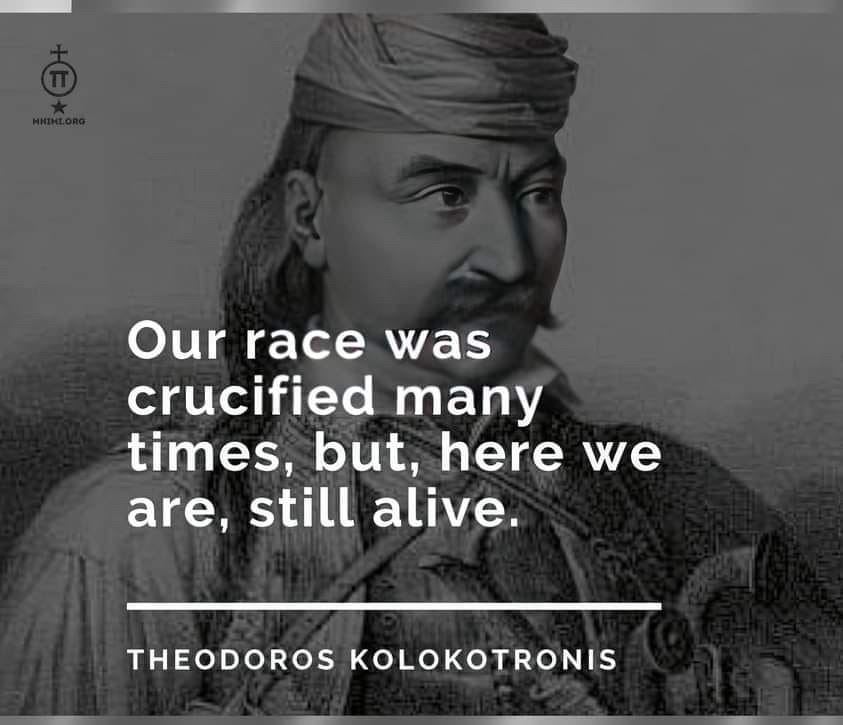
A number of historical figures have distinguished themselves in the Greek War of Independence. Georgios Karaiskakis, Odysseas Androutsos, Markos Botsaris and Laskarina Bouboulina are some of the most famous among these personalities, but one name usually stands out: Theodoros Kolokotronis, the archetypal “hero of 1821”.

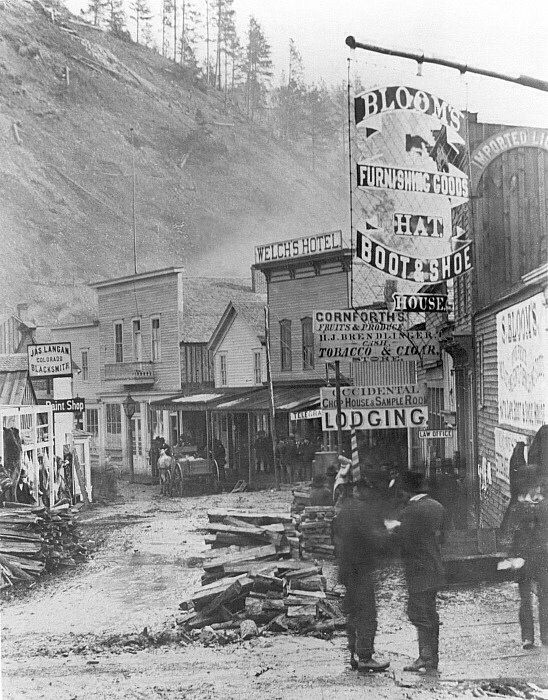
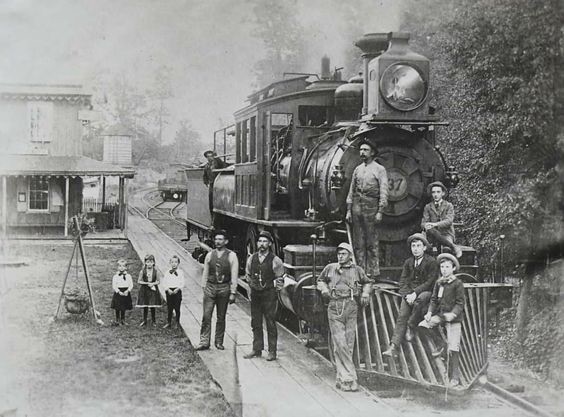
The mid-1800s witnessed the construction of the First Transcontinental Railroad, a monumental project that linked the east and west coasts of the United States. As the Union Pacific Railroad pushed westward with its construction, it was accompanied by temporary settlements often called “Hell on Wheels” towns. These makeshift towns were primarily composed of canvas tents and served as essential hubs for railroad construction activities. While most of these temporary settlements vanished as the railroad progressed, a few established themselves as permanent communities.
In the 1870s, another interesting phenomenon emerged in the form of boomtowns in Kansas. These boomtowns experienced rapid growth and prosperity for a brief period, typically a year or two, thanks to their status as railheads. However, their prosperity was short-lived, as the rail lines extended further westward, creating new endpoints for the Chisholm Trail and causing the decline of these towns.
Occasionally, a railroad company would establish a railroad town, often working with a separate city or land company. This scenario sometimes unfolded even if another town already existed nearby. In such cases, the population in the preexisting city would shift to the newly established railroad town, which would significantly boost the fortunes of the town company and the railroad founder. These entities would capitalize on the opportunity by selling lots near the railway station at substantial profits, often before the actual arrival of the railroad at the new townsite.
The impact of becoming major rail hubs was profound for certain cities. Notably, Chicago and Los Angeles transformed from relatively small towns into large, bustling cities due to their strategic positions as pivotal points in the railway network. This transformative growth was a hallmark of the railroad era in American history.


The Theopetra Cave is an archaeological site located in Meteora, in the central Greek region of Thessaly, Greece.
Radiocarbon evidence shows for human presence at least 50,000 years ago.
Excavations began in 1987 under the direction of Ν. Kyparissi-Apostolika, which were meant to answer questions about Paleolithic Thessaly, Greece.
As a result of archaeological excavations that have been conducted over the years, it has been revealed that the Theopetra Cave has been occupied by human beings as early as 130000 years ago.
In addition, evidence for human habitation in the Theopetra Cave can be traced without interruption from the Middle Palaeolithic to the end of the Neolithic period.
This is significant, as it allows archaeologists to have a better understanding of the prehistoric period in Greece.!!


 Loren Berg's Blog
Excellent, Lauren.
Speaking of carpets, there’s a remnant of an interesting hanging in the Kansas City War Memorial called “Le Pantheon de la Guerre”.
One of my favourite places to visit, with the two winged lions? standing outside shading their faces as if in shame.
Cheers, and
Eddie (Calgary)
all so fascinating