
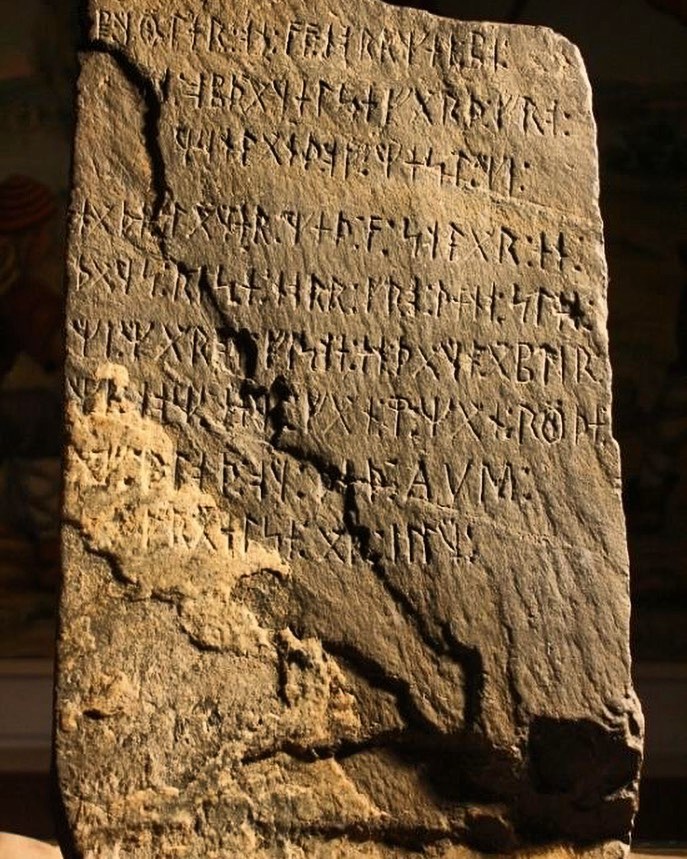
“8 Goths and 22 Norwegians on an exploration journey from Vinland very far west. We had camp by two skerries one day’s journey north from this stone. We were fishing one day. After we came home, found 10 men red with blood and dead. AVM (Ave Maria) save from evil. Have 10 men by the sea to look after our ships, 14 days’ journey from this island. Year 1362.”
The runic text on the stone translates to a message claiming that a group of Norse explorers from Vinland (a term used to refer to areas in North America) had traveled westward and encountered tragedy. The inscription implies that they were part of a larger expedition and that ten men were massacred.
The Kensington Runestone gained attention and sparked debate among scholars, historians, and archaeologists. Some argue that the artifact is an authentic medieval Norse artifact, suggesting that Vikings may have explored much farther into North America than previously believed. They point to linguistic and runological analysis to support their claims.
However, others remain skeptical about the authenticity of the Kensington Runestone. Critics argue that the stone shows signs of modern carving techniques and that the inscription’s language and grammar do not align with known medieval Norse writings. They suggest that it could be a hoax or a deliberate forgery.
Numerous studies, investigations, and scholarly debates have taken place over the years, but a consensus has yet to be reached. The Kensington Runestone remains a subject of controversy and intrigue, with supporters and skeptics continuing to present their arguments.
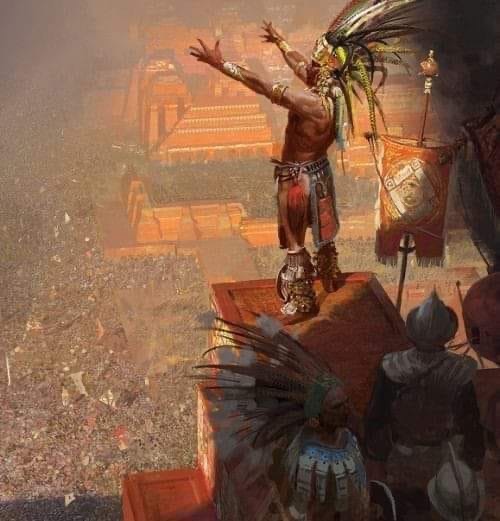
Civilisation isn’t 6k years old…
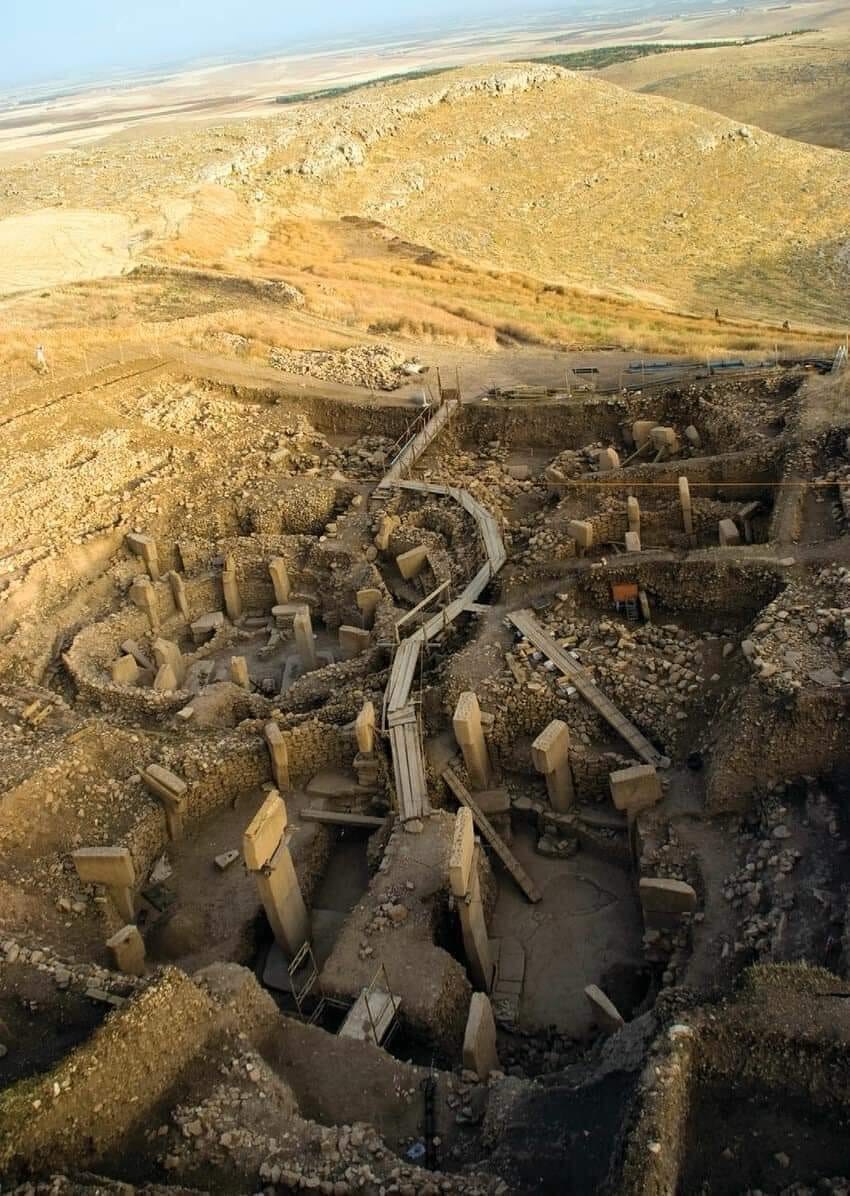
Göbekli Tepe is one of the great mysteries of the world. Located on the territory of present-day Turkey  it was erected around 10,000 years before Christ by supposed nomadic societies of hunter-gatherers from the Neolithic period.
Alignment with Constellations :
Everything in Göbekli Tepe is mysterious. From the techniques used to erect the monoliths without the help of animals to the fact that no human settlements were found near this temple. The site is believed to be a shrine due to its configuration and alignment with different constellations, and thus it is deduced that there was a cult that looked to the sky.
The discoveries made in the region suggest that this was the exact point at which the revolution in agriculture, religion and even society began. It is possible that the complex of temples or shrines at Göbekli Tepe represented fertility, life or abundance, as reliefs found there depict animals.
Göbekli Tepe is a challenge for archaeologists, as it completely rejects the idea that only sedentary communities erected monumental buildings. That’s because the temple was possibly built by nomads more than 6,000 years before Stonehenge or the pyramids of Egypt
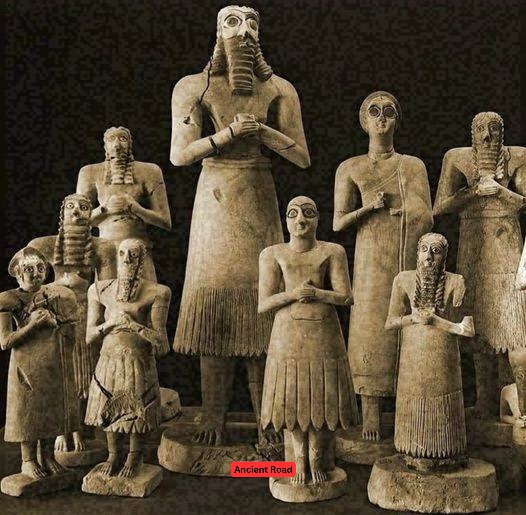
Until about 20 years ago, it was thought that ‘civilisation’ made its appearance with Sumerians, about 7000 years ago. But few years ago, on border between Syria and Turkey, Göbekli Tepe and neighbouring settlements were discovered. Everything has changed since then.
Oldest remains of Göbekli Tepe date back at least 12,000 years. Some monoliths found in ruins depict human beings dressed only in loincloths. But 12,000 years ago, humanity was in middle of Younger Dryas (small ice age). So, it is impossible for people of that time to have been walking around in just a loincloth. To be able to walk around dressed like that, temperature had to be mild. But last “mild” period before Younger Dryas ended around 110,000 BC, when Last Ice Age began. So at least some parts of Göbekli Tepe may date back to that ancient period.
At Göbekli Tepe ideograms were engraved, i.e., engravings that do not represent animals or things, but abstract concepts. These could be first example of human writing, at least 5,000 years earlier than that of Sumerians. Buildings at Göbekli Tepe are not made of wood, or straw, but are composed of limestone. Some pillars weigh as much as 20 tonnes. Inhabitants of Göbekli Tepe were able to build houses and villages out of stone thousands of years before Sumerians.
On a stone slab called ‘Stele of the Cranes’, people of Göbekli Tepe tell of an encounter between themselves and ‘beings from outside’, from sky, at same time that a comet streaked across the sky. Moreover, engraved tale alludes to a period of time when a comet bombardment wrought immense destruction across Earth.
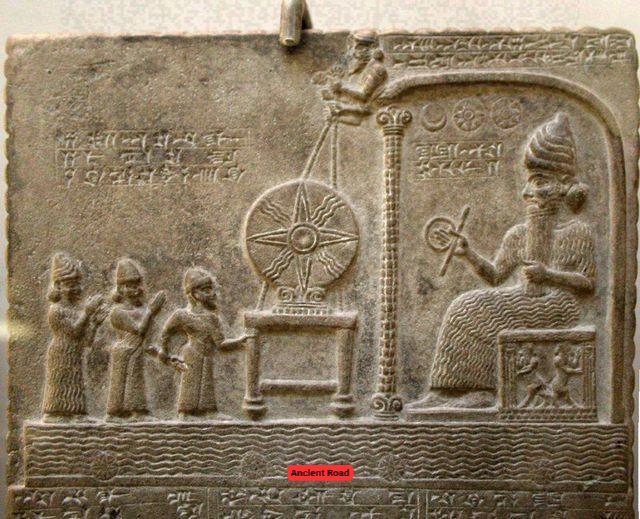
We may find it funny that we divide hours into 60 minutes and days into 24 hours; why not a multiple of 10 or 12?. In short, the answer is that the inventors of time did not operate with a decimal (base 10) or duodecimal (base 12), but with a sexagesimal system (base 60). For ancient Sumerian innovators who first divided the motions of the skies into countable intervals, 60 was the perfect number. The number 60 can be divided into 1, 2, 3, 4, 5, 6, 10, 12, 15, 20 and 30 equal parts. In addition, ancient astronomers believed that a year had 360 days, a number that 60 fits perfectly into six times. The Sumerian Empire didn’t last. Yet for over 5,000 years the world keeps measuring time as they dictated. And if time is an illusion in the spiritual sense is this invention a good or a bad thing? From my perspective looking at their tablets and what not they seem to have been a very patriarchal and submissive culture…

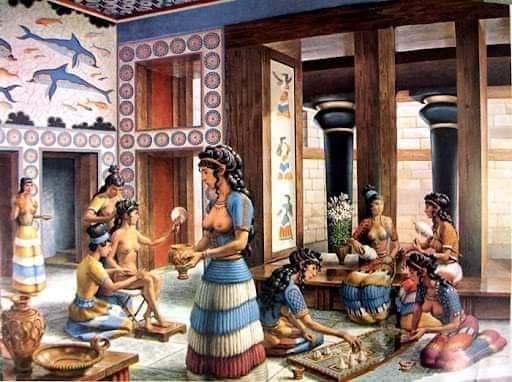
This complexity is also shown in the artistically designed and skillfully made clothing they wore.
Much of our knowledge of this clothing comes from artwork that has been found at the sites where the Minoans lived, thousands of years before most recorded history.
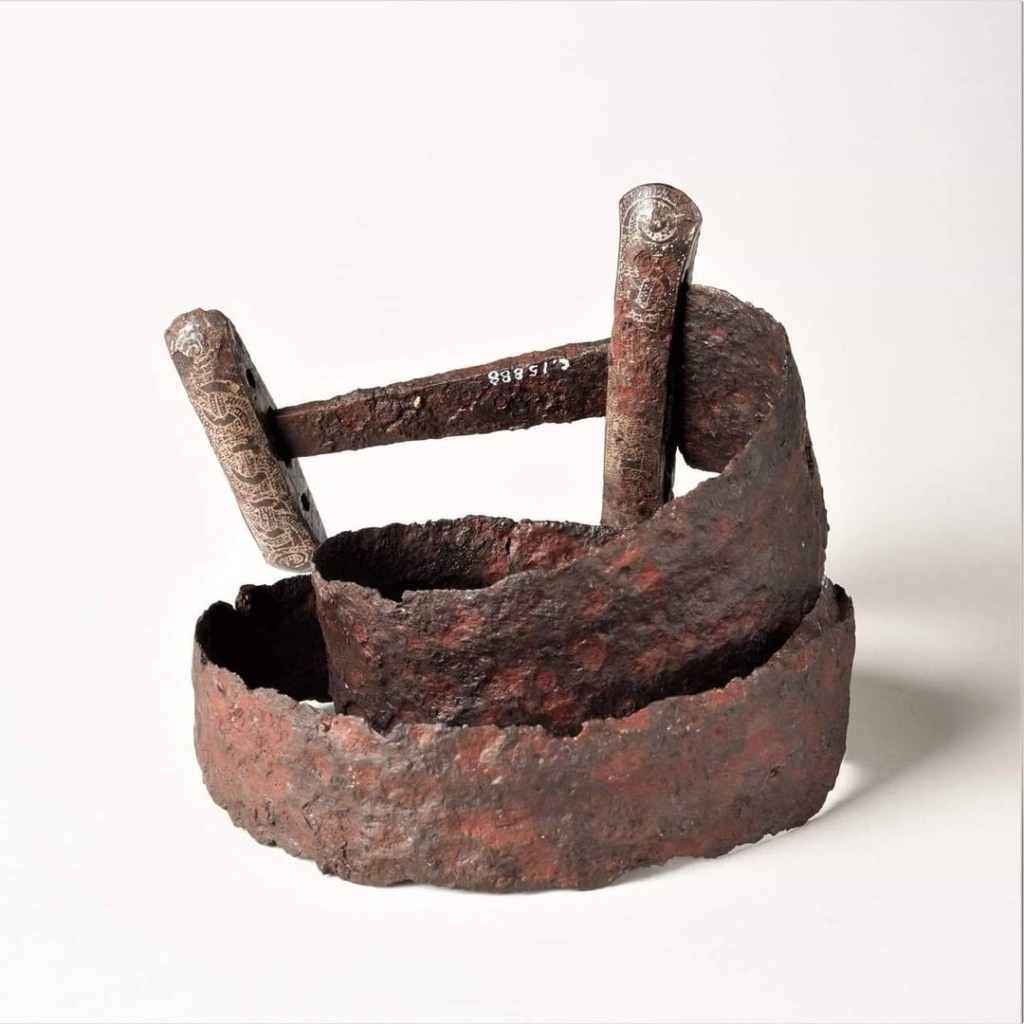
The ritual killing of swords for burial with a warrior was a common practice during the Viking era throughout Scandinavia. This practice involved the deliberate destruction of swords, where the blades were beaten, bent, or twisted, sometimes folded together in a way that required preparation, expertise, and equipment. This special treatment of swords underscores their distinctive role in Norse society.
This pictured example, with engraved silver hilts, was excavated at Vold Farm in Grue, Norway. This sword dates back to the 9th century, a time when the Viking culture was in its prime. The engraved silver hilts add to the historical and cultural significance of this artifact, reflecting the craftsmanship and artistic skills of the Viking era.
This sword, like many others found in similar contexts, was likely ‘killed’ as part of a burial ritual. The idea behind this practice could be that a biographical or animated presence in a certain sword demanded a ritual for ‘killing’ these powerful objects during burial rituals. However, the bending, twisting, and destruction of swords and other weapons must also be seen as an expression of a more general idea of swords, weapons, and funerary rituals in Late Iron Age and Viking Age Scandinavia.
Today, this sword is housed at the Viking Ships Museum.
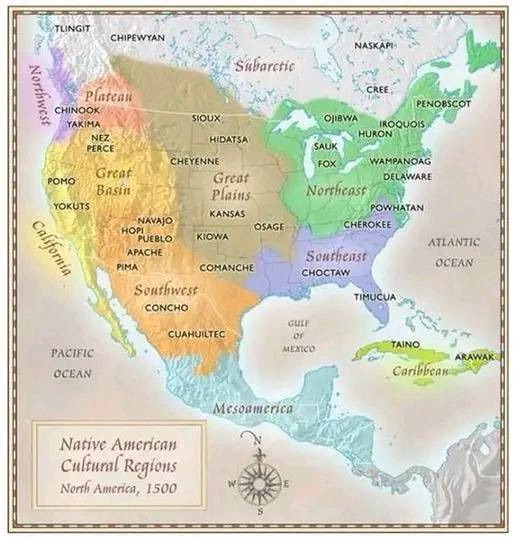
Why Isn’t This Map in the History Books?
By the age of 10, most children in the United States have been taught all 50 states that make up the country. But centuries ago, the land that is now the United States was a very different place. Over 20 million Native Americans dispersed across over 1,000 distinct tribes, bands, and ethnic groups populated the territory.
 Loren Berg's Blog