


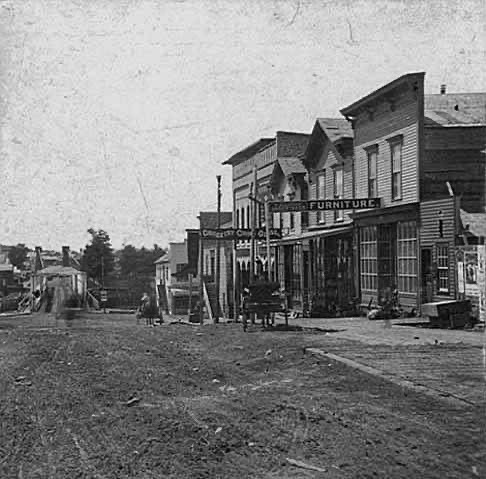
Hennepin Avenue in Minneapolis in 1872
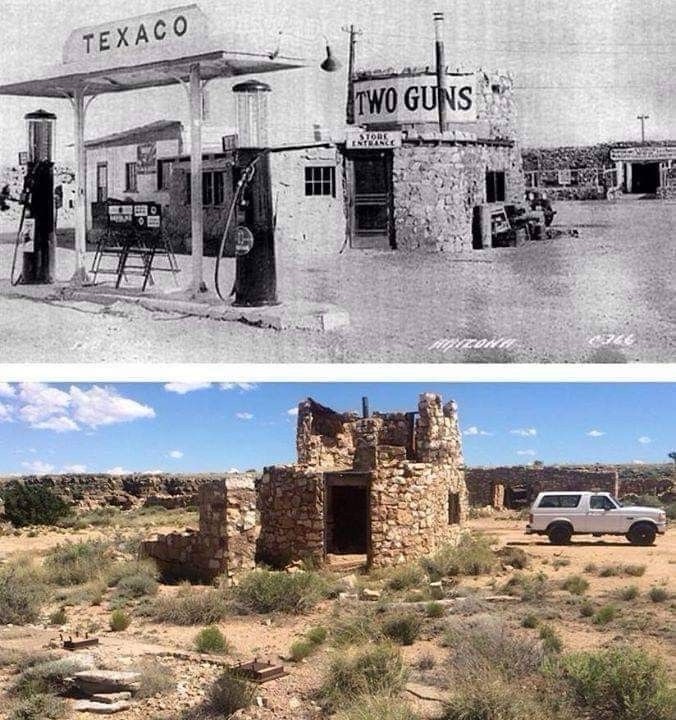
This is Two Guns, Arizona, a historic ghost town along Route 66 with a dark and mysterious past. The top image shows Two Guns in its prime during the early-to-mid 20th century when it served as a bustling roadside attraction, complete with a Texaco gas station, trading post, and a zoo run by the infamous “Chief” Henry Miller. The bottom image reveals the present-day ruins of the site, now abandoned and left to the elements.
Two Guns is infamous for its connection to the Apache Death Cave, where, according to legend, Navajo warriors trapped and killed a group of Apaches in 1878. The land has since been rumored to be cursed, as multiple business ventures at the site have mysteriously failed. Today, Two Guns stands as an eerie relic of Arizona’s past, attracting urban explorers and ghost hunters intrigued by its haunted history.
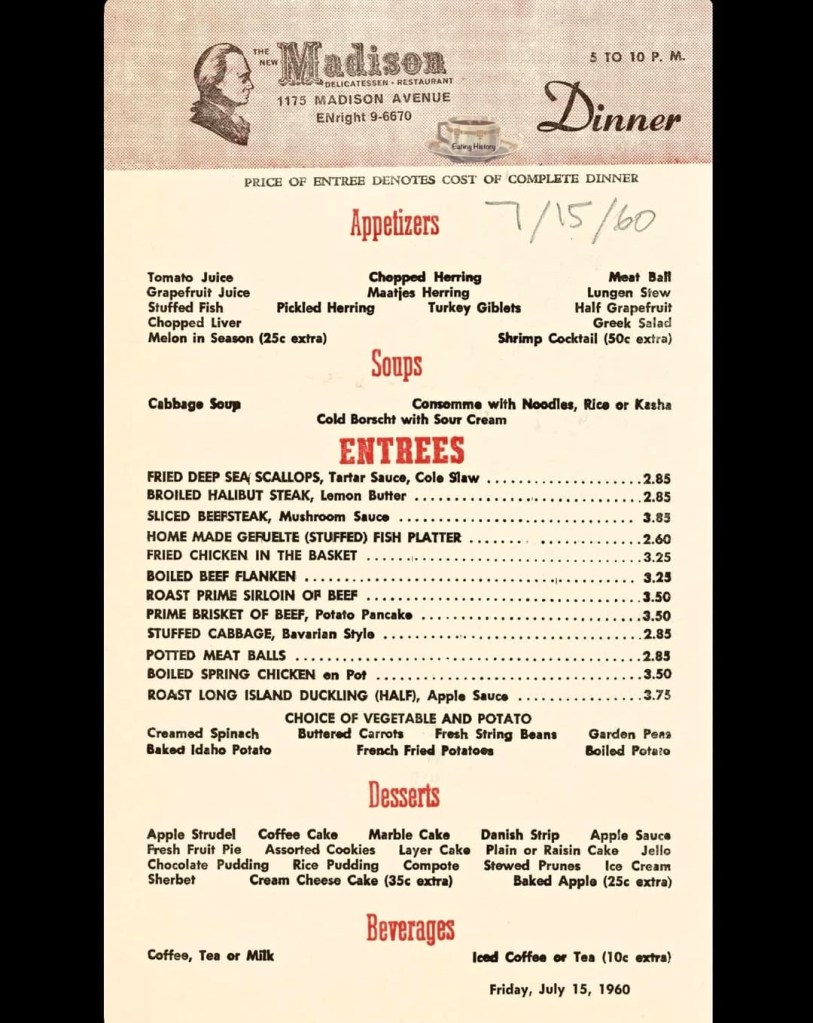
From the New York Public Library

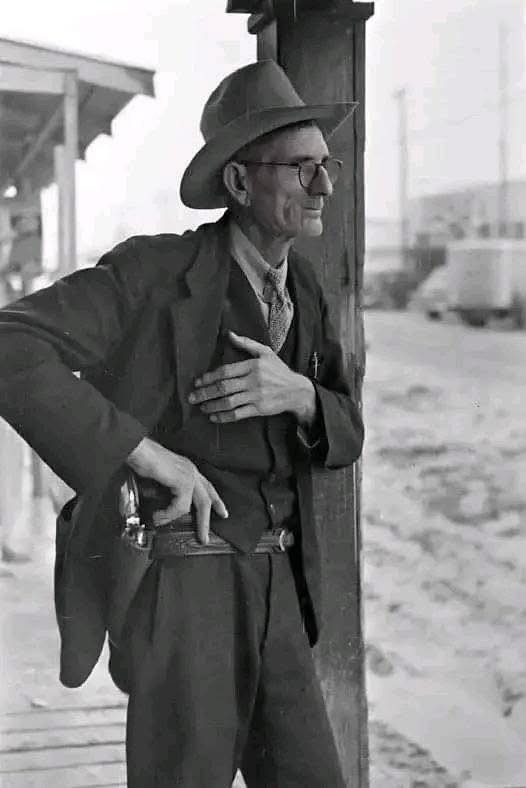
Freer, located in South Texas, was a small town where lawlessness and the presence of criminal activity were concerns, particularly during the Great Depression. The revolver, often holstered at the waist, represented both a physical means of protection and a social norm. Guns were also a common sight among ranchers, cowboys, and lawmen who frequented the region. In many ways, this reflected the broader culture of the American West, where firearms were embedded in the identity of the people.
While today’s world is far removed from the circumstances of 1937 Texas, this moment in history serves as a reminder of how times have changed. The image of a man with a revolver walking casually down a quiet street is a snapshot of a different era, when life was often shaped by survival, self-reliance, and the rugged landscapes of the American Southwest.
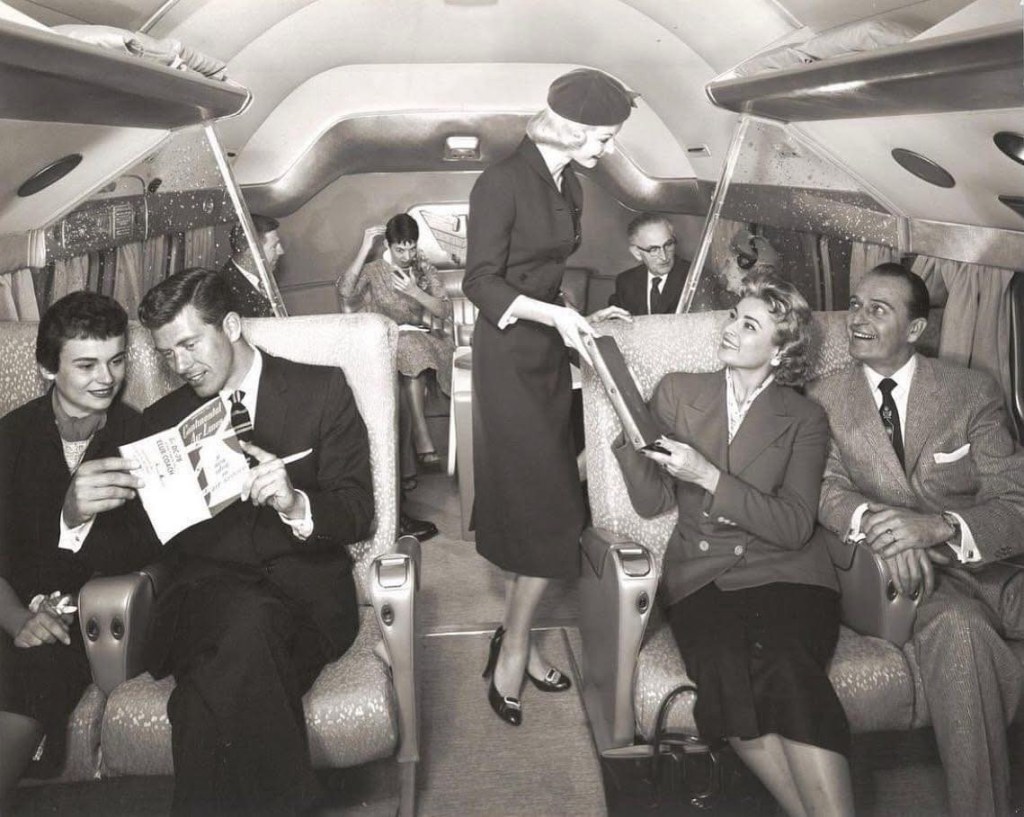
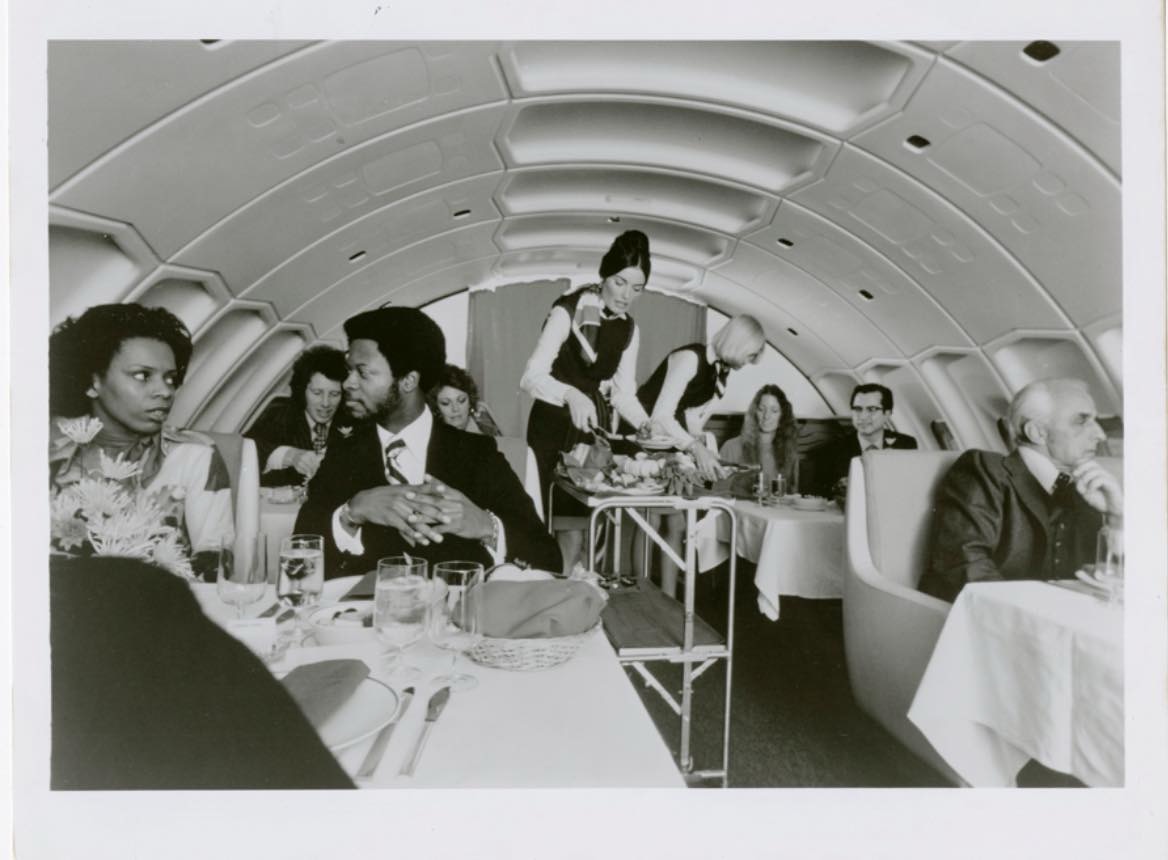
Continental DC7 Cabin (1960’s)
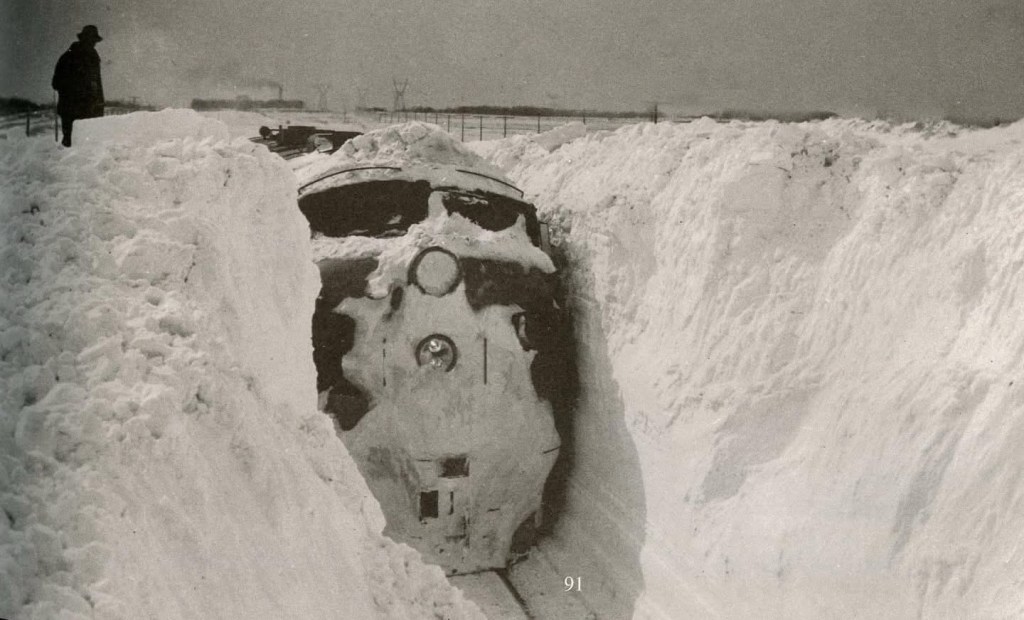
A Train stuck just west of Minneapolis during the 1965 St. Patrick’s Day Blizzard.
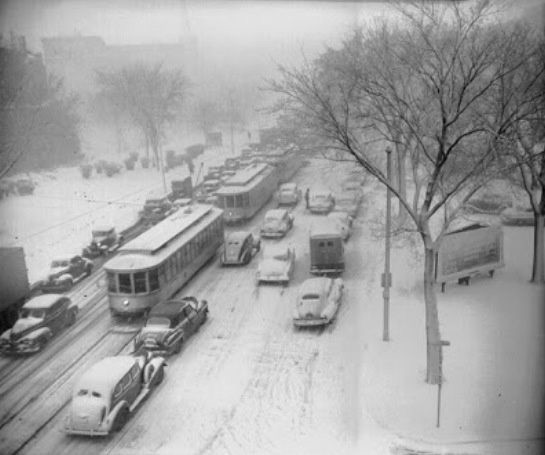
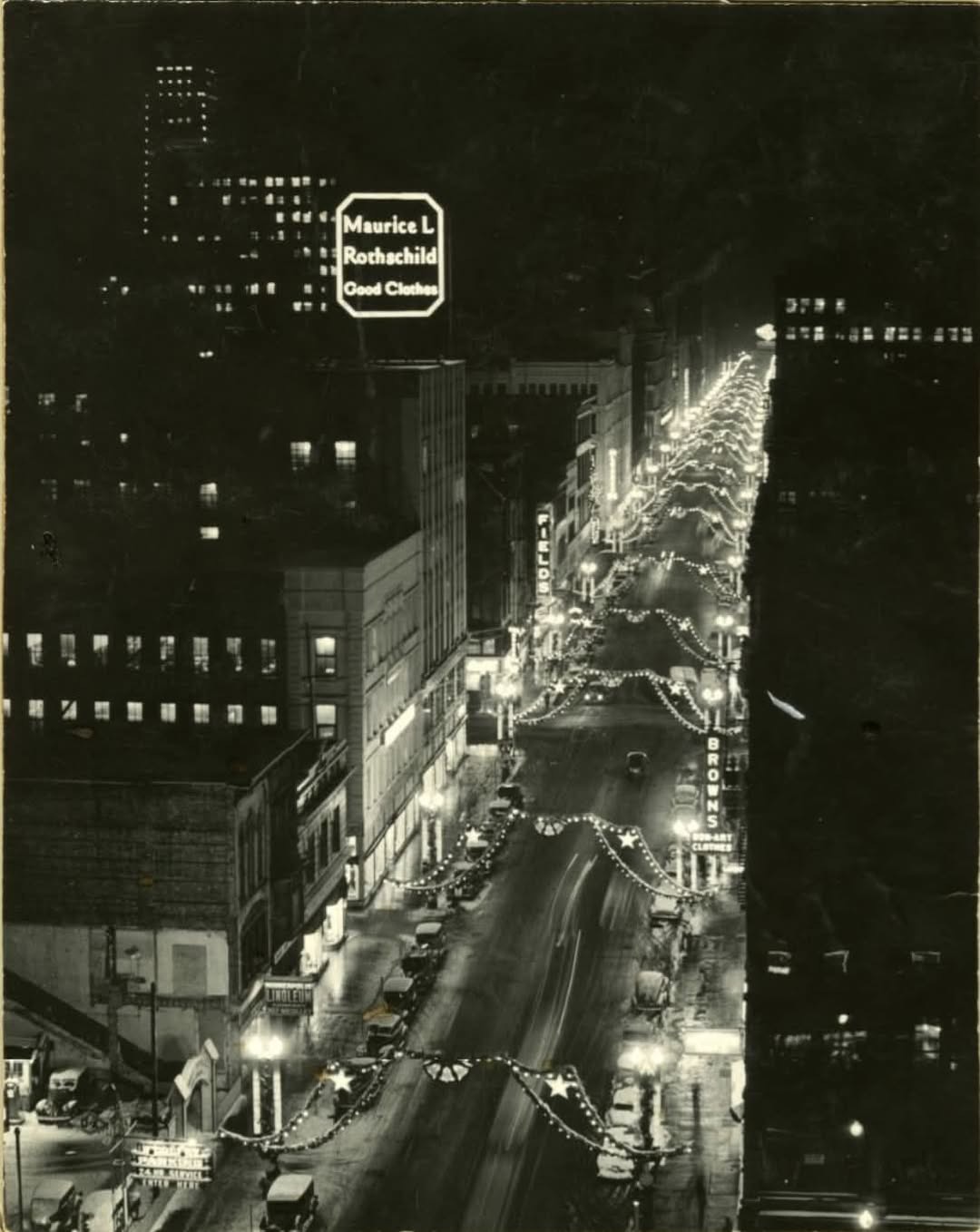
Nicollet Avenue at night at Christmas, Minneapolis, Minnesota, 1937 from Hennepin History Museum.
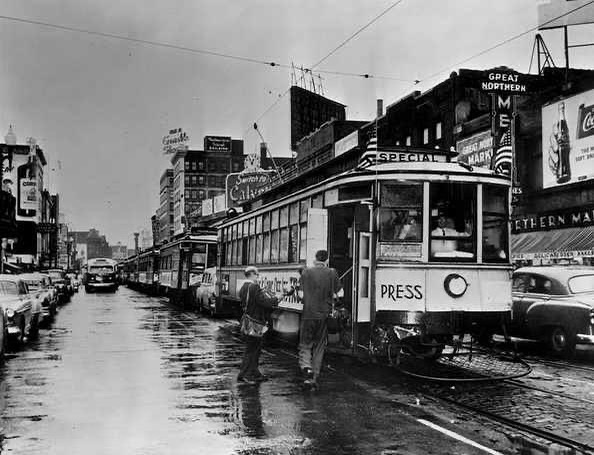
Streetcar in Minneapolis in 1954 – Photo courtesy of the Minnesota Historical Society
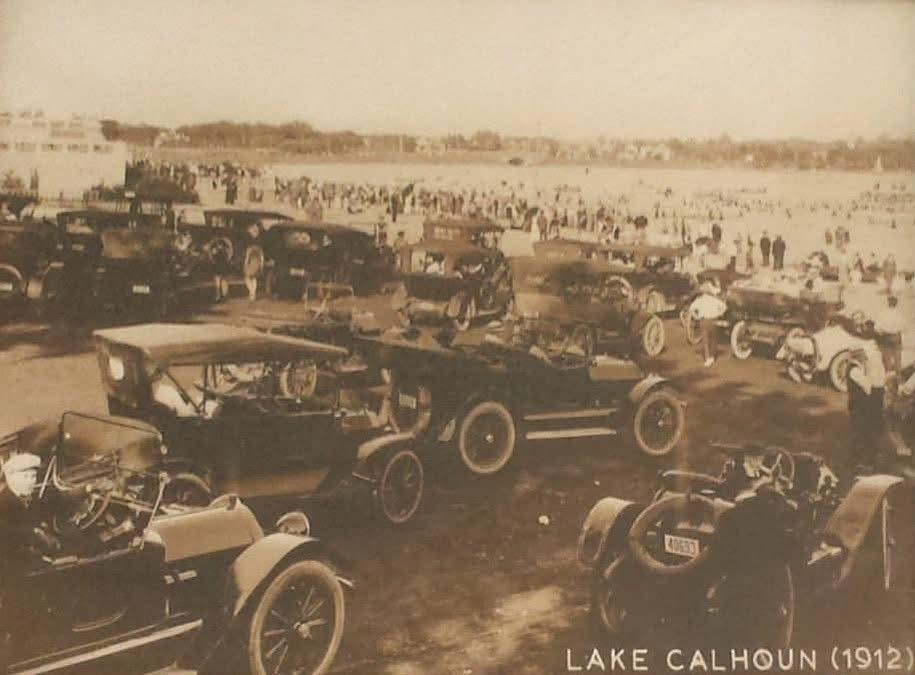
Original source not identified.
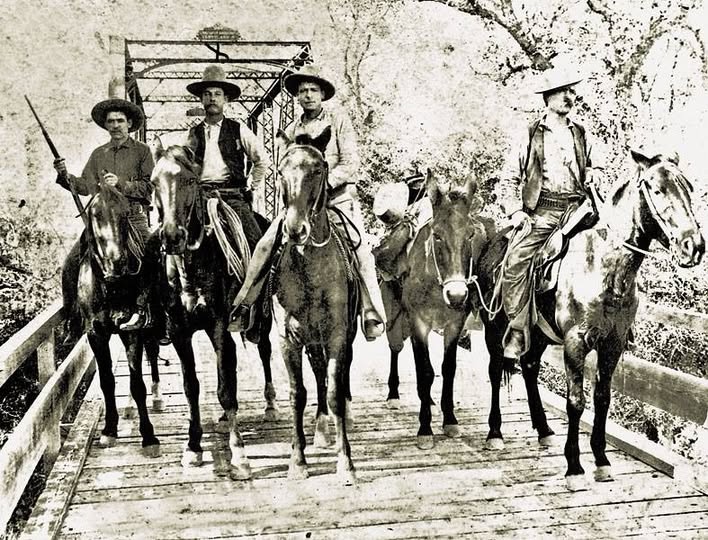
In 1892, four Texas Rangers stood still just long enough to be captured in a rare and haunting photograph—but what if this moment wasn’t as simple as it seems? You won’t believe what historians have recently uncovered about this image. Their faces are stoic, their gear rugged, their mission supposedly just—but there’s something suspicious in the way they look at the camera, as if they knew this photo would survive long after the truth was buried.
This wasn’t just another day on the frontier. At a time when the Wild West was being tamed and lawlessness was being rewritten by those with power, these four men rode into a chapter of history drenched in secrets. Who were they really protecting? And who decided what justice looked like? The deeper you look into their eyes, the more questions emerge—questions about hidden agendas, vanished enemies, and a justice system written in gunpowder and grit.
Preserved by the Institute of Texan Cultures, this mysterious image has reemerged—and not everyone’s happy about it. Why now? What secrets does it threaten to expose? Some say this photo holds the key to a truth long kept silent by dusty archives and selective memory. Scroll carefully… because once you start pulling on this thread, the entire story of the Texas Rangers might begin to unravel.
 Loren Berg's Blog