
Female workers at the Kelly Springfield, Allegany Ordnance Plant manufacturing .50 BMG Ammunition in Cumberland, Maryland – 1943
This ordnance plant was operated by the Kelly Springfield Tire Company, ammunition manufactured here had a headstamp of “KS”
LIFE Magazine Archives – Gordon Coster Photographer WWP-PD


Photo from MSM archives
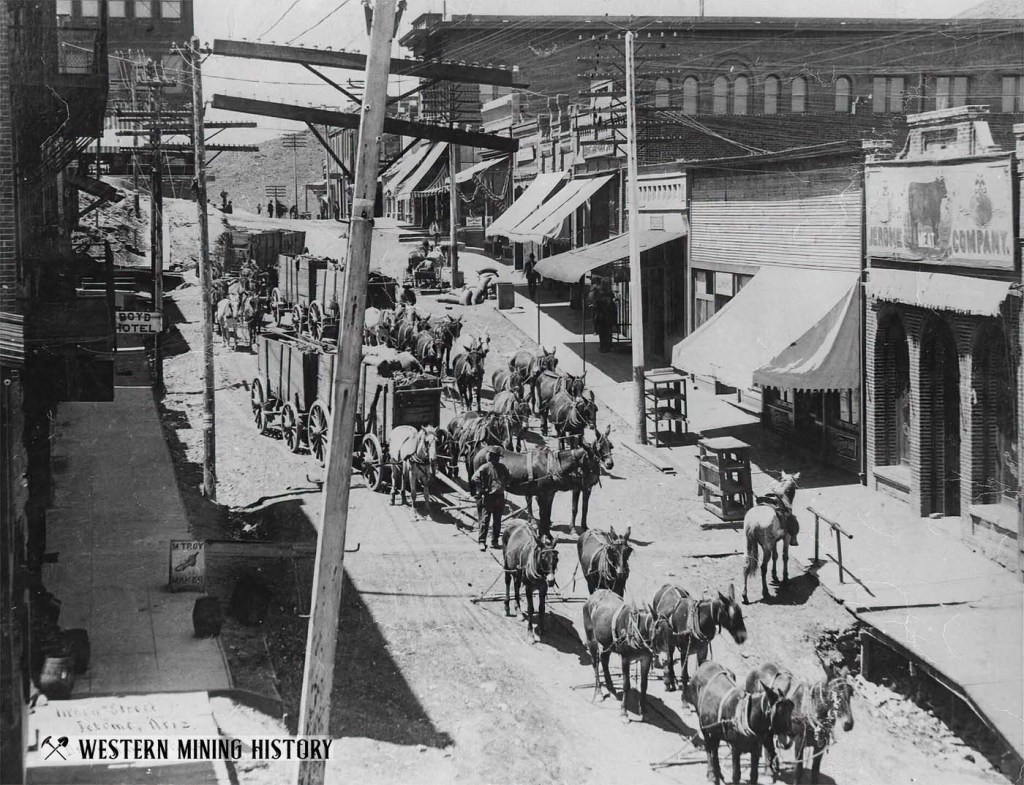
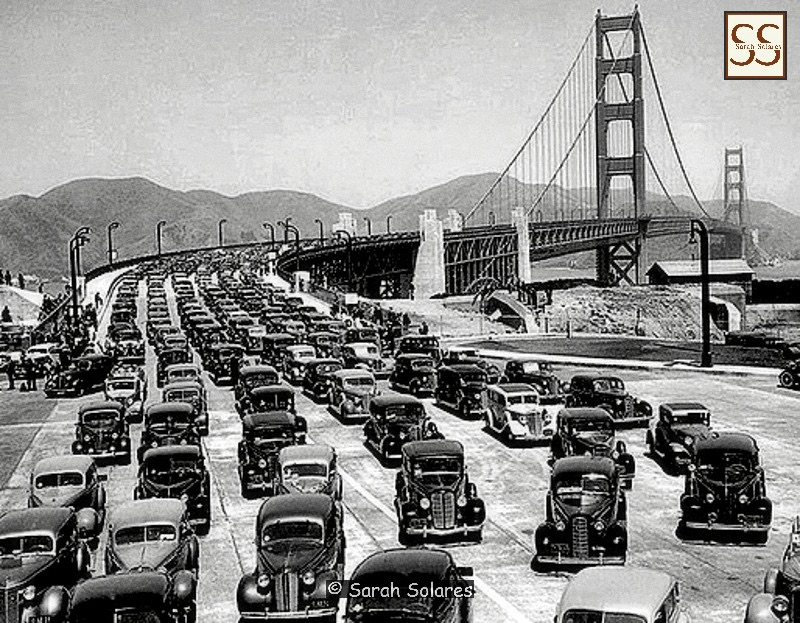
On May 27, 1937, the Golden Gate Bridge officially opened to traffic, marking a historic moment for San Francisco and the United States.The iconic orange-red suspension bridge connected San Francisco to Marin County, forever changing the region’s landscape and accessibility.
As cars first crossed the bridge that day, it symbolized innovation, engineering marvel, and the ambitious spirit of the time. The bridge, designed by engineer Joseph Strauss, was a technological feat, as it was the longest suspension bridge in the world when it openedThe opening day saw thousands of people walking across before vehicles were allowed, creating a festive atmosphere. Since then, the Golden Gate Bridge has become a symbol of California and an architectural landmark admired worldwide.
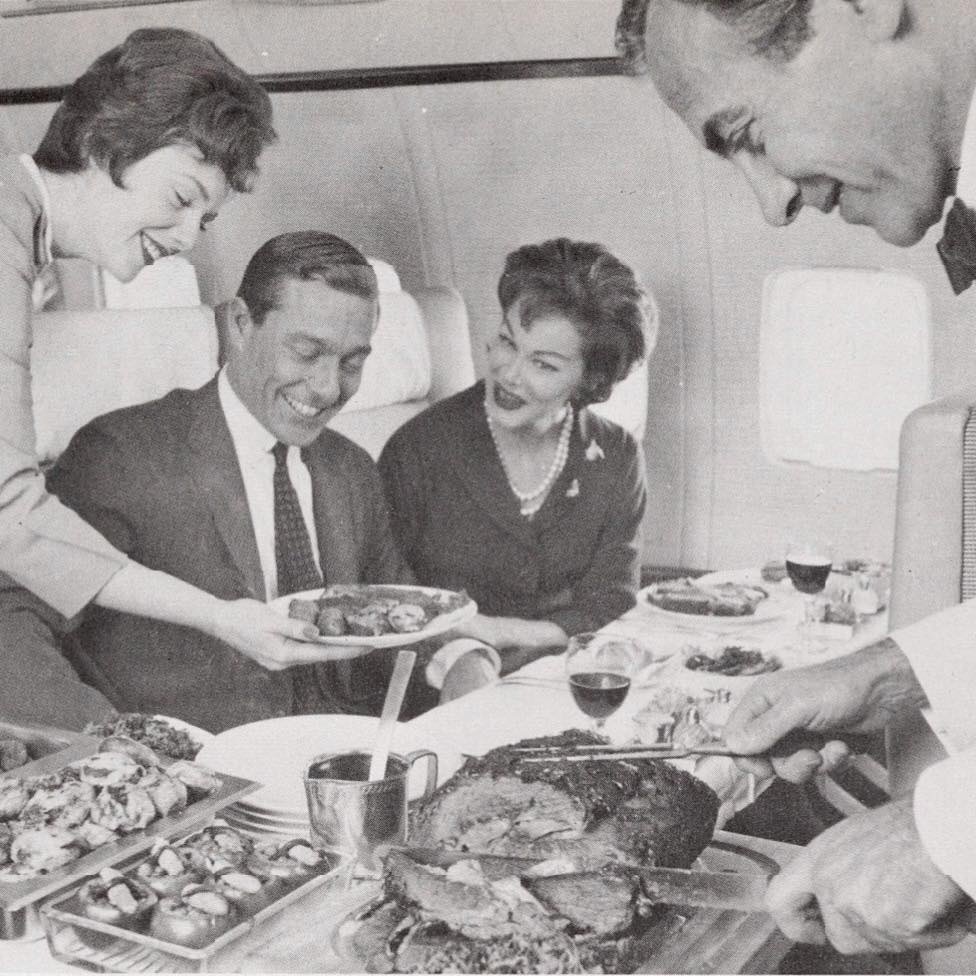
Mid 1960s: All the makings for a full-course dinner are stowed in the Pan Am Clipper’s galley before departure, methodically arranged so that the purser and stewardesses can serve a whole plane load of passengers in an hour or less.
.
Two huge commissaries, one at John F. Kennedy International Airport in New York City, the other in Paris, have been set up to prepare in advance the various elements of the delicious hot meals served on transatlantic flights for President Special and Rainbow Economy Services.
.
In Paris, the commissary is maintained by Maxim’s of Paris — world renowned for fine food. The commissary at Kennedy Airport is operated by the airline. The two operations are similar, being supervised jointly by Pan American and Maxim’s.


This 1876 photograph offers a rare glimpse of Gayville, South Dakota, the earliest known image of a settlement that emerged during the Black Hills Gold Rush. Founded by brothers Alfred and William Gay, Gayville was established at the site of rich gold placers near Deadwood. The settlement’s early promise was fueled by the allure of gold, attracting miners and settlers eager to stake their claim. Gayville played an important role in the early days of the region’s mining boom, becoming a key part of the developing landscape of the Black Hills. However, despite its initial success, Gayville’s position in the region was soon overshadowed by nearby Central City, which grew more rapidly and became the primary town in the gulch by 1877. While it was eclipsed by larger towns, Gayville continued to be a viable mining community for many decades, sustaining its population and industries long after its initial burst of growth. The town’s legacy, though lesser-known compared to its neighbors, reflects the dynamic and ever-shifting nature of mining settlements during this turbulent period of American history. The photo remains a testament to the enduring spirit of the people who lived and worked in the shadow of the gold rush.

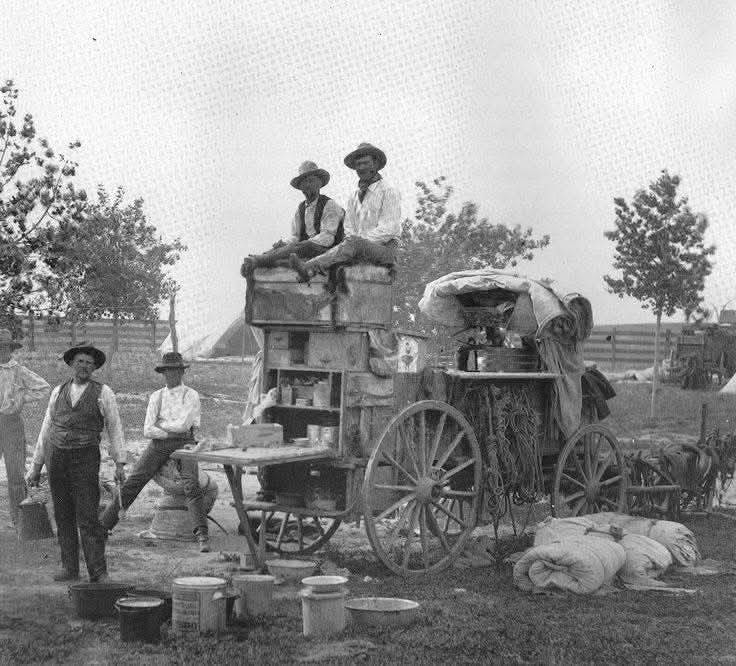
In the late 1800s, as cowboys embarked on long cattle drives across the American West, the chuck wagon became a lifeline. Serving as a mobile kitchen, it was essential for ensuring the crew was well-fed after grueling days of herding cattle. Invented in 1866 by Charles Goodnight, a Texas rancher, the chuck wagon revolutionized life on the trail. With its clever design, it provided not only meals but also a sense of stability and routine in the harsh and often unpredictable conditions of the frontier..
Meals prepared at the chuck wagon were simple yet hearty, featuring staples like beans, salted meat, biscuits, and coffee—foods chosen for their ability to endure long journeys and sustain the cowboys’ energy. The “cookie,” the chuck wagon cook, was far more than just a chef; they were a central figure in camp life, maintaining supplies, setting the mood with their leadership, and often serving as a trusted confidant. The chuck wagon wasn’t just a place to eat—it became a hub for connection, where cowboys swapped stories, sang songs, and built camaraderie.
Cattle drives were vital to the American economy during this period, transporting vast herds of cattle from Texas to railheads in states like Kansas to supply growing markets. Without the chuck wagon, these arduous treks would have been even more challenging, as it provided not just sustenance but a morale boost that kept cowboys moving forward. The chuck wagon’s impact extended beyond its practical purpose, symbolizing the ingenuity and resilience that defined the cowboy lifestyle.
Today, the chuck wagon remains an enduring emblem of the Old West, celebrated in reenactments, museums, and chuck wagon cook-offs. Its legacy speaks to the spirit of adaptability and community that helped shape a nation. As cowboys knew well: “On the toughest trails, it’s not just the journey but the company and sustenance that carry you through….

Pumping fuel in 1974 at just $0.48 a gallon—can you imagine?
It’s a reminder of how much things have changed over the years, with gas prices soaring far beyond that simple price tag. Those were the days of cruising down the road with a full tank without breaking the bank!
 Loren Berg's Blog