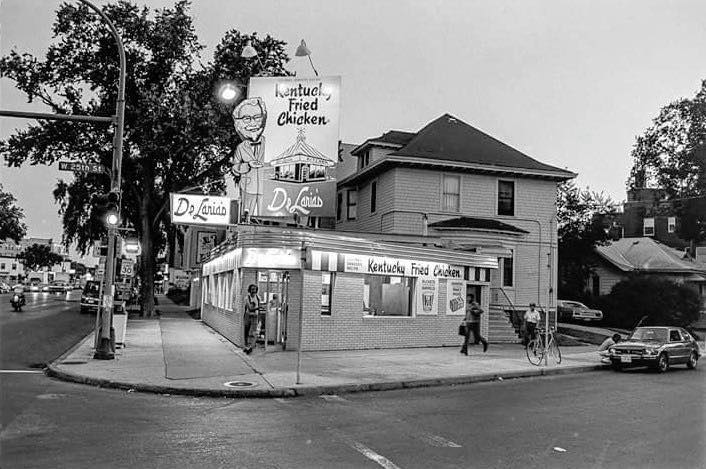
Kentucky Fried Chicken on Hennepin Avenue in Minneapolis in 1978
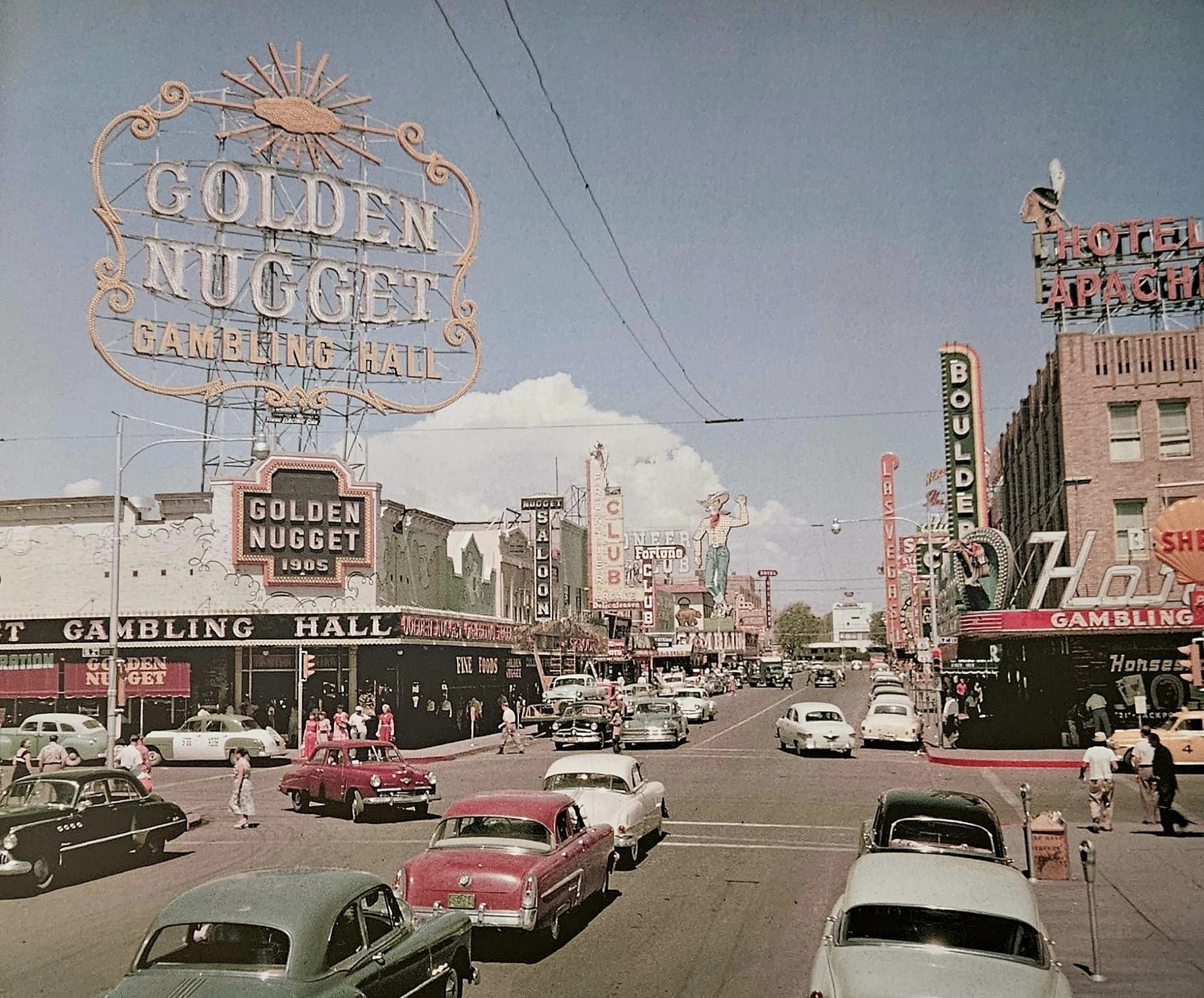
In 1953, Fremont Street, looking west, features the Golden Nugget casino on the left, the Horseshoe Club on the right, and the Union Pacific railroad depot at the street’s end
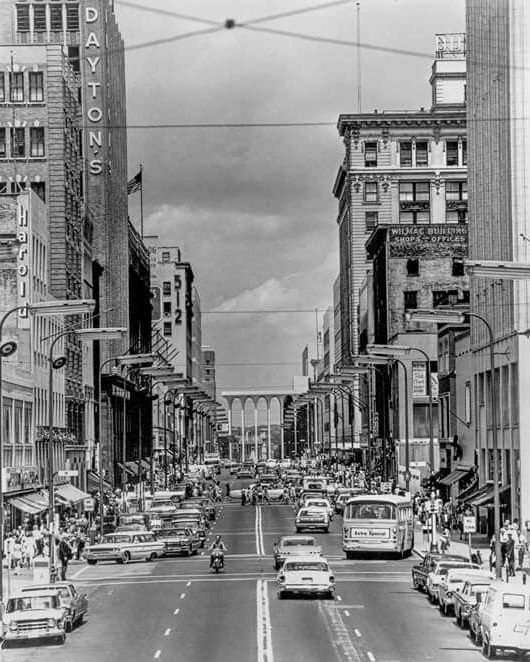
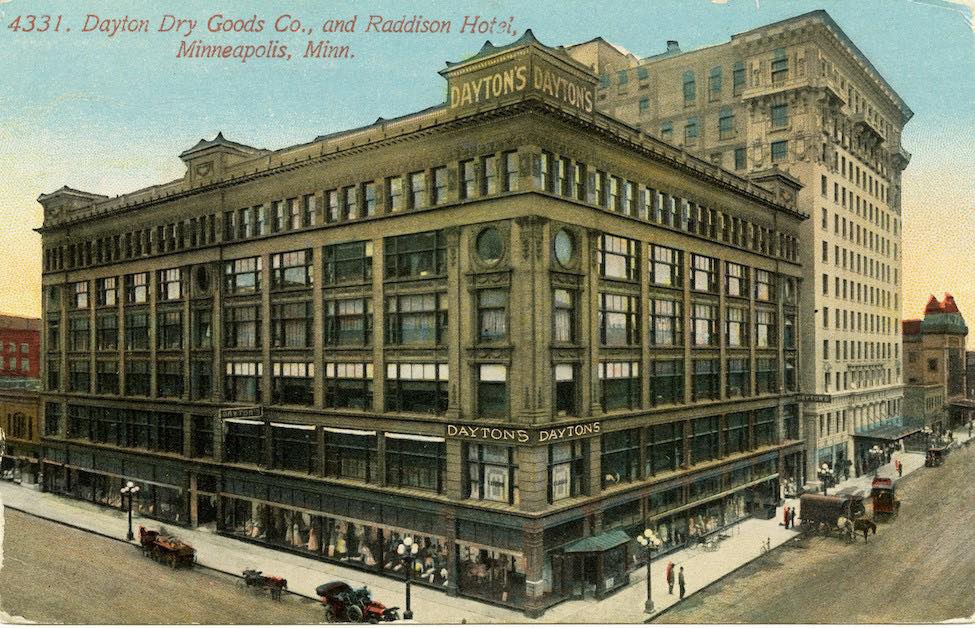
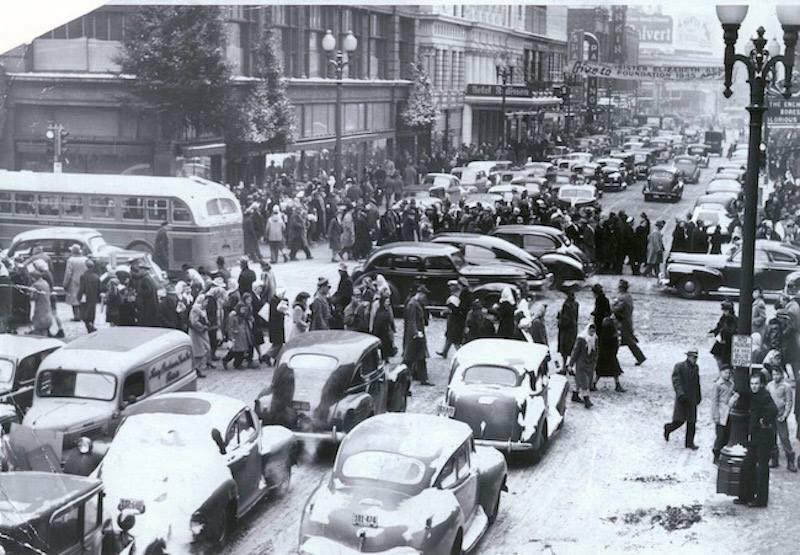
Dayton’s pictured on the left side of Nicollet Avenue in 1967.
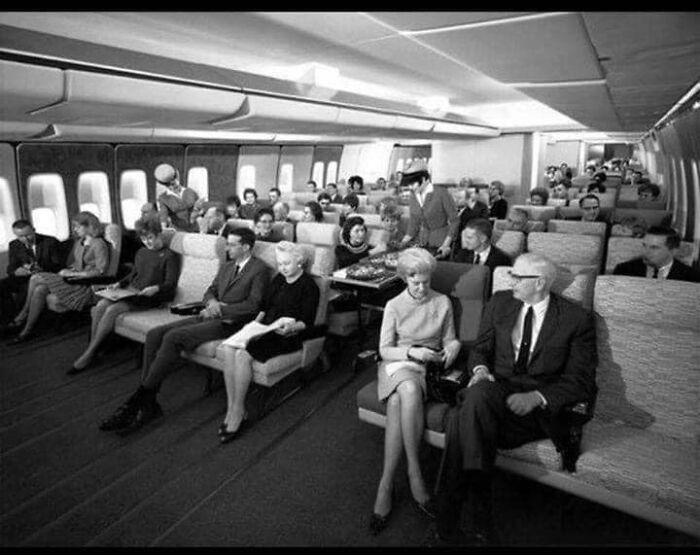
This Is Economy Class seating on Pan Am 747 in the ’60s. Those were the days!
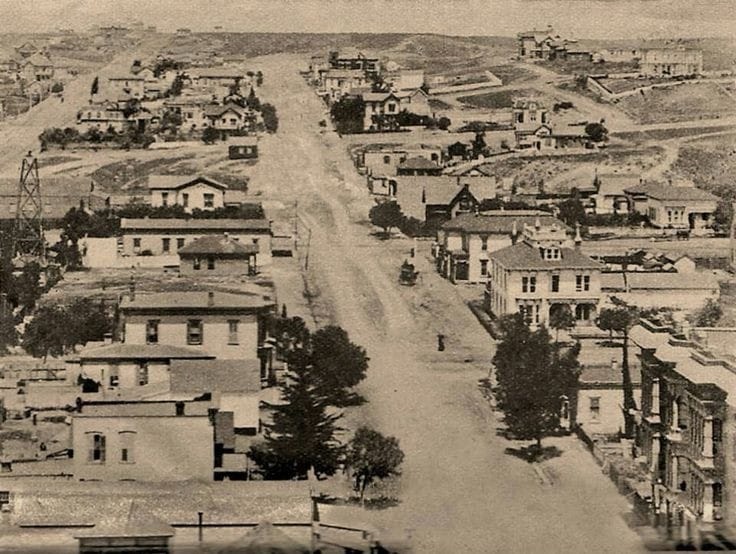
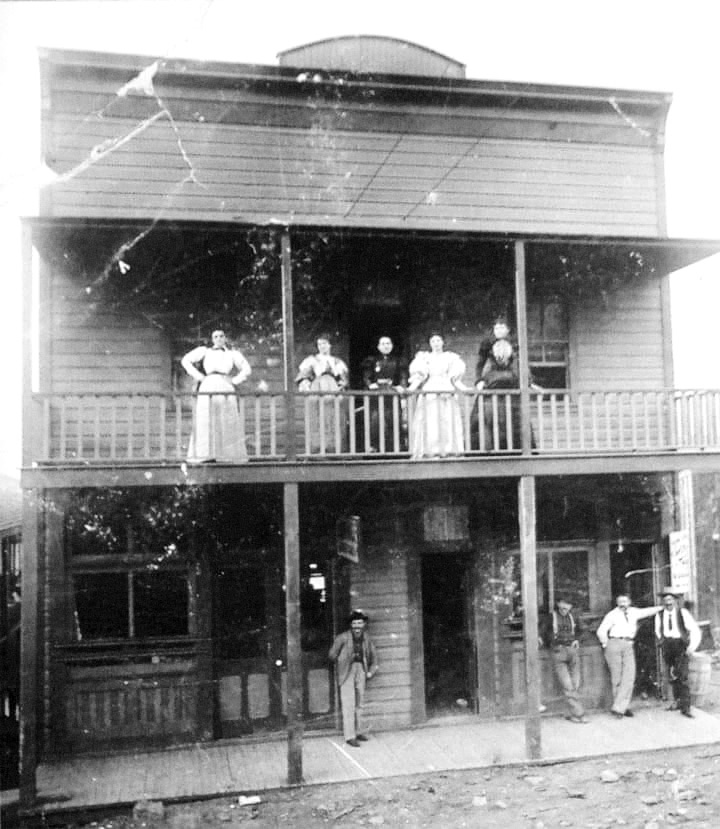
In the 1890s, Jerome, Arizona, was a bustling mining town known for its rough-and-tumble atmosphere. Nestled in the hills, the town was built around the copper mines that drove its economy, and with that came the inevitable presence of vice and vice-related businesses. One such establishment was *Jennie’s Place*, a brothel that catered to the needs of miners, travelers, and local men seeking companionship. Like many towns in the American West during this time, Jerome had a number of similar establishments that operated in the shadows of the booming mining industry.
Brothels like Jennie’s Place were often seen as a necessary part of the social fabric in these frontier towns, where the male-dominated population of miners and workers had limited entertainment options. Though many of these businesses were illegal, they persisted, often with the tacit approval of local authorities who turned a blind eye in exchange for economic benefit.
The 1890s in Jerome were a time of both prosperity and hardship, as the town’s fortunes fluctuated with the success of the mines. Brothels such as *Jennie’s Place* were part of the broader history of these mining towns, reflecting the challenges and complexities of life in the American West.
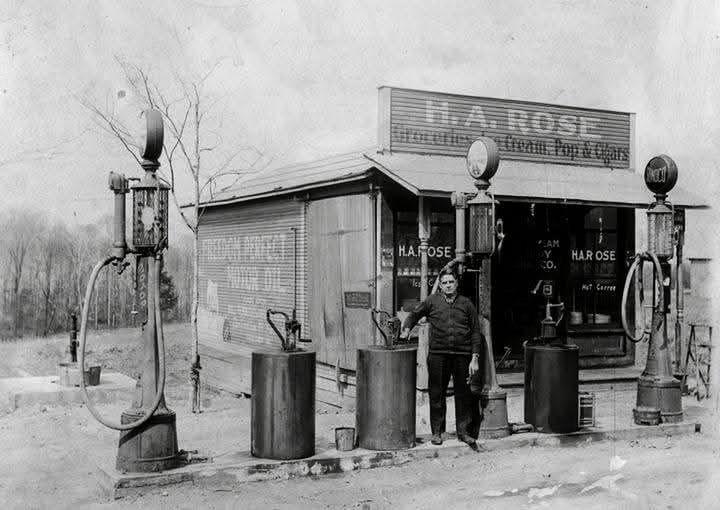
It was instead used for some kerosene lamps and stoves. He later improved upon the pump by adding safety measures, and also by adding a hose to directly dispense fuel into automobiles. For a while, the term bowser was used to refer to a vertical gasoline pump.
Although the term is not used anymore in the United States, except as a term for trucks that carry and dispense fuel to large aircraft at airports, it still is used sometimes in Australia and New Zealand. Many early gasoline pumps had a calibrated glass cylinder on top.
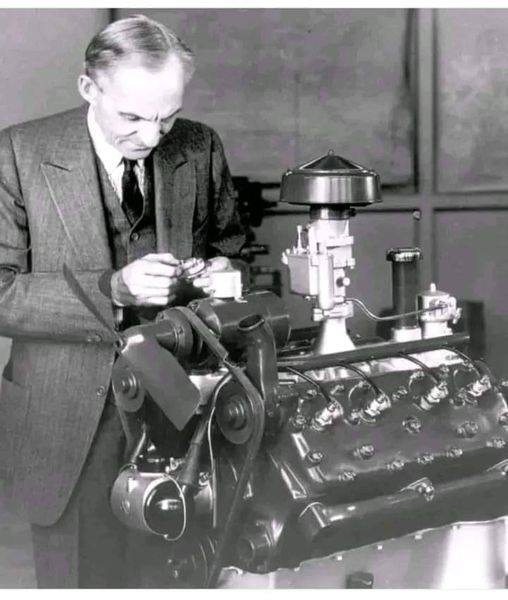
Ford’s V-8 engine was a marvel of engineering, featuring a one-piece “en bloc” design and a downdraft carburetor. This innovative design allowed the compact V-8 to outperform its competitors, offering superior power and efficiency. The engine’s advanced technology positioned it years ahead of its time, making it a favorite among early hot rodders.
The Ford flathead V-8 remained a staple in larger Ford vehicles until 1953, and its production continued worldwide until the 1970s, powering both passenger cars and commercial trucks. This enduring legacy solidifies the V-8’s place as a true automotive icon.
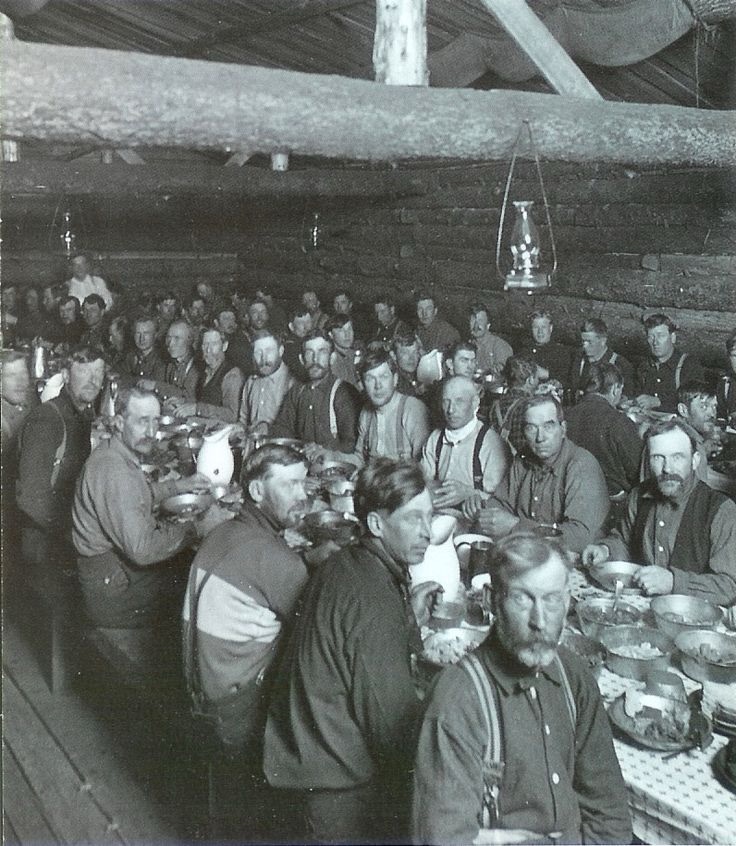
In 1913, meal time for the lumberjacks at the Scott and Graff Lumber Company in Minnesota was a well-earned break from the grueling work of felling trees and hauling logs. These hard-working men, who spent long days in the rugged forests, relied on hearty meals to sustain them through their physically demanding tasks. The scene captured in this photo highlights a group of lumberjacks gathered around a simple, rustic dining setup, ready to refuel with a meal that was typically rich in protein and calories, designed to meet the energy needs of the laborious work they performed.
The lumberjack camps were often located deep in the forests, far from urban centers, where workers lived in temporary structures and worked long hours in harsh conditions. The meals, often prepared by camp cooks, were a vital part of their daily routine, providing both sustenance and a brief moment of camaraderie. This communal aspect of meal time offered a rare opportunity for the men to relax, share stories, and bond before heading back to their physically demanding work, which included cutting timber, clearing land, and preparing the logs for transport.
Lumberjack life in Minnesota during the early 20th century was tough, and the Scott and Graff Lumber Company, like many others, relied on a workforce of men who were used to the rigors of the logging industry. While the work was grueling, the meal break was a time of reprieve, allowing the workers to refuel and recharge. Meals often consisted of simple but filling foods like stews, meats, potatoes, and bread—foods that could be prepared in large quantities to serve a group. This photo serves as a reminder of the physical demands of the job and the importance of these moments of rest and community.
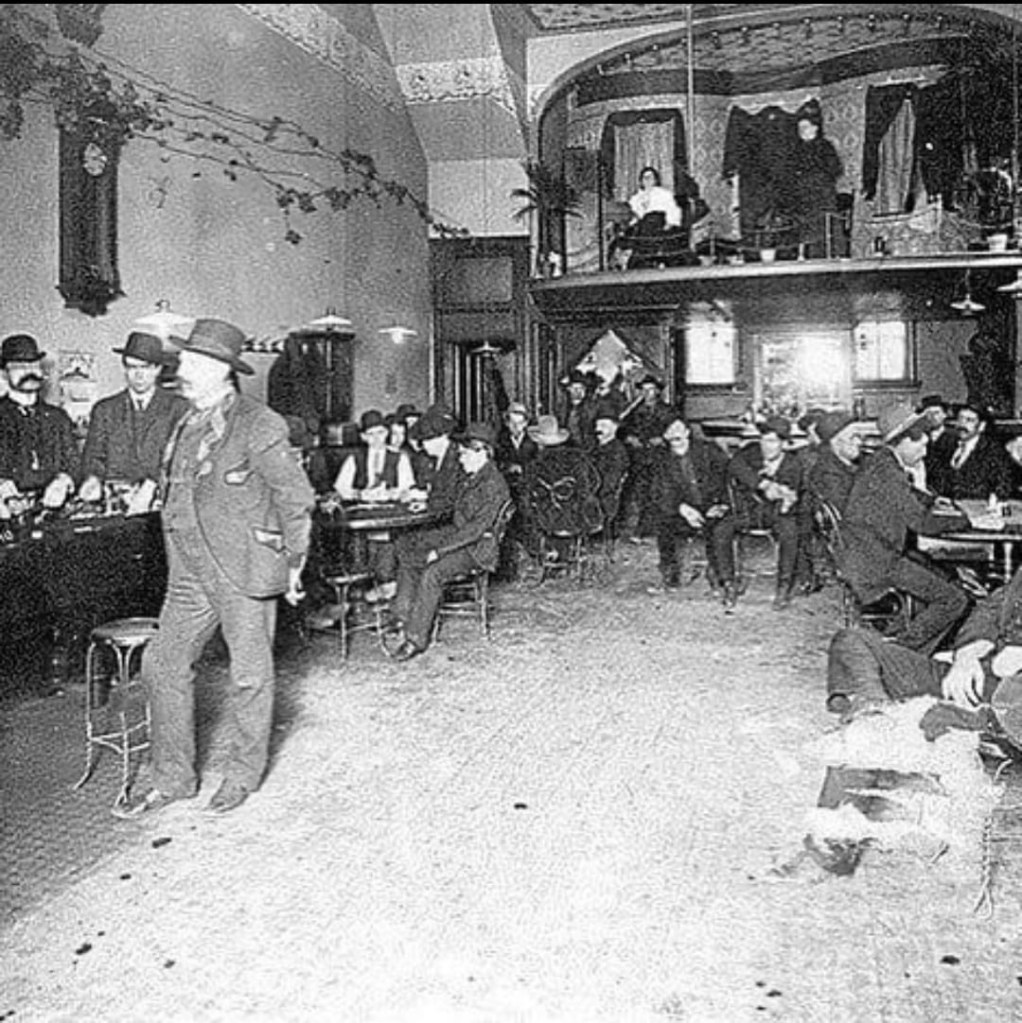
Saloon #10 in Deadwood, South Dakota, during the 1880s was a central gathering spot in the heart of the lawless, rough-and-tumble mining town that attracted gamblers, miners, and outlaws alike. The saloon, a typical Western establishment, was a place where fortunes were won and lost over poker tables, and whiskey flowed freely. Located on Main Street, Saloon #10 played a significant role in the social and economic life of Deadwood, which was known for its frontier atmosphere and notorious figures, such as Wild Bill Hickok and Calamity Jane. The building itself was a simple wooden structure, with large windows and a wide porch where patrons could sit and watch the goings-on of the busy street.
Inside, the saloon was dimly lit, with a long bar that served as the focal point. The floors were often covered in sawdust, and the scent of tobacco and alcohol filled the air. A piano may have played in the background, adding to the ambiance as men crowded around tables to play cards or listen to the latest gossip. The bar was likely run by a few enterprising women, who served drinks and perhaps even offered a bit of entertainment. The patrons, many of them miners who had struck it rich or hoped to do so, were often rowdy, engaging in heated games of poker, making bets, and sometimes settling disputes with violence. This rough-and-ready environment was characteristic of the lawless nature of Deadwood at the time, where the threat of gunfights was a constant reality.
The saloon gained notoriety as the site of one of the most famous events in the history of the American West: the killing of Wild Bill Hickok in 1876. Hickok, a famed lawman and gunslinger, was shot in the back while playing poker at a table in Saloon #10. This event, immortalized in Western lore, marked a significant moment in Deadwood’s history, further cementing the saloon’s place in the town’s mythos. By the 1880s, while the violence that had characterized much of Deadwood’s early days had begun to subside, Saloon #10 remained a symbol of the town’s rough frontier spirit, offering a glimpse into the chaotic yet colorful history of the Old West.

















































































 Loren Berg's Blog