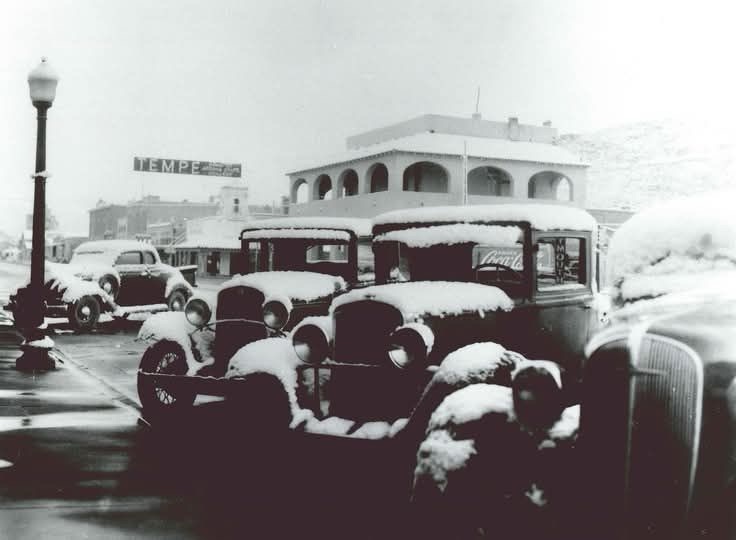
Snow in Tempe USA
Mill Avenue (1930s) In the 1930s, Mill Avenue in Tempe was already an important commercial and social hub, though the town itself was much smaller than it is today. Tempe, known primarily for its proximity to Arizona State University (ASU), had a population of just a few thousand people during this era. Mill Avenue, running through the heart of downtown, was lined with small businesses, shops, and cafes that catered to both local residents and students. The street was a central gathering place, reflecting the tight-knit community atmosphere of the time. Tempe’s economy was still largely based on agriculture, but the presence of ASU, which had opened in 1885, began shaping the town’s character and its development in the years that followed.
In the 1930s, snow in Tempe was a rare occurrence. Arizona’s desert climate made snowstorms in the region infrequent, but on occasion, a cold front would bring snow flurries to the area. These moments were memorable for the residents, adding to the charm and unique character of the community. By the late 1930s, Mill Avenue and Tempe would see more urban development, especially as World War II brought increased attention and growth to the area, but the small-town atmosphere of Mill Avenue during the 1930s remained a hallmark of the era.
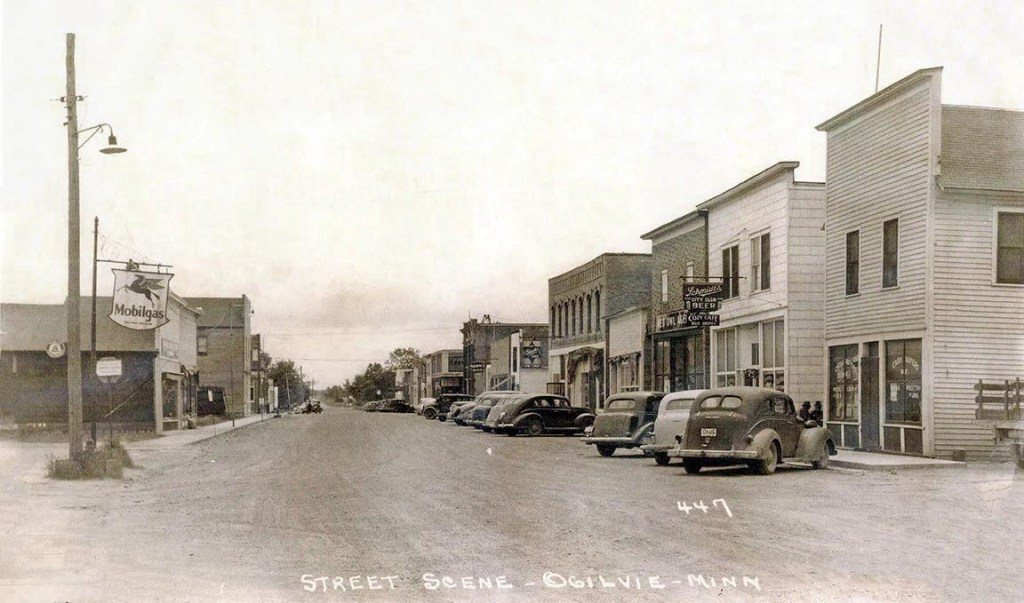
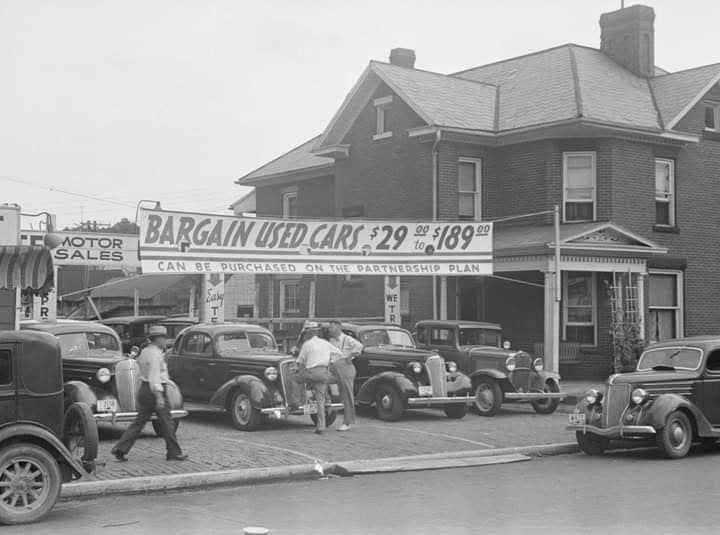
In 1938, the cost of a car in Ohio could be as low as $29, which seems almost unbelievable by today’s standards. This was during the Great Depression, a time when the economy was still struggling to recover from the stock market crash of 1929. Automakers, eager to boost sales and stimulate the economy, offered rock-bottom prices for vehicles to make them more accessible to the average consumer. Cars, which were typically a significant investment, became more affordable to many Americans, though the vehicles themselves were often basic models with fewer features than those available today.
The $29 price tag was often associated with used cars, many of which had been traded in by their original owners who could no longer afford to keep them. In an era when new cars were still relatively expensive, these affordable second-hand vehicles provided transportation for families and workers who had limited financial resources. While $29 may sound incredibly low, it’s important to remember that the average yearly wage during the 1930s was around $1,700, so the affordability of a car was relative to what people were earning at the time.
Despite the low price, cars in 1938 were still seen as a significant symbol of independence and mobility. For many people in Ohio and across the United States, the ability to own a car marked a new level of freedom, enabling them to travel further for work, leisure, or social engagements. This period of affordability helped set the stage for the post-World War II boom in car ownership, when automobiles became an integral part of American life and culture.
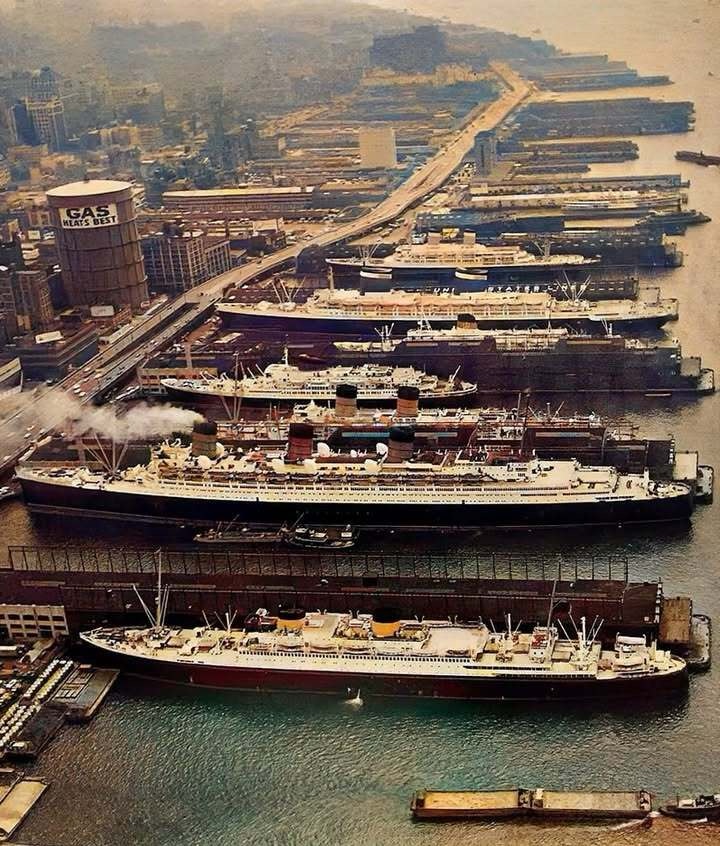
On September 3, 1957, New York’s West Side, known as Luxury Liner Row, hosted a grand assembly of iconic Atlantic liners. The photograph captures six of these classic ships, which arrived early that morning, marking the end of the summer vacation season the day after Labor Day. From top to bottom, the vessels included American Export Lines’ INDEPENDENCE at Pier 84, United States Lines’ flagship UNITED STATES at Pier 86, Greek Line’s OLYMPIA and French Line’s FLANDRE at Pier 88, and Cunard Line’s MAURETANIA and QUEEN MARY at Pier 90. At Pier 92 was Cunard’s BRITANNIC, which had arrived on August 31. This gathering of liners, 67 years ago, collectively brought around 9,400 passengers to New York in the luxury of the era. In contrast, today, Royal Caribbean’s ICON OF THE SEAS alone can carry 7,600 passengers, nearly matching the capacity of all six classic liners combined.
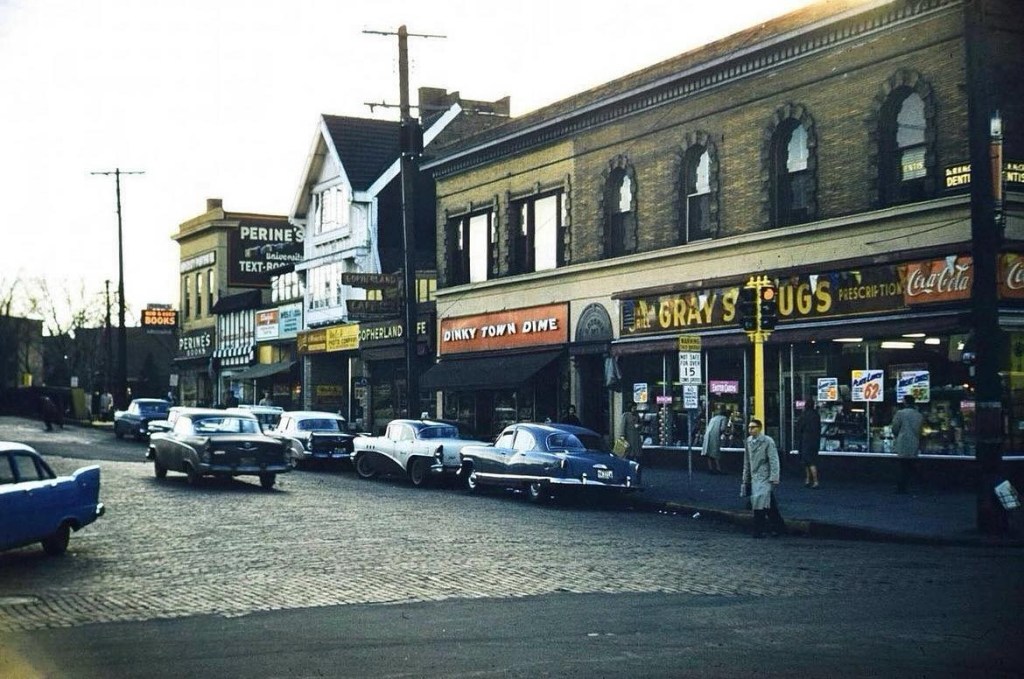
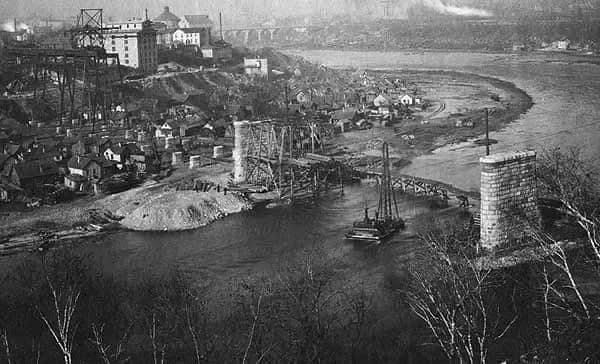
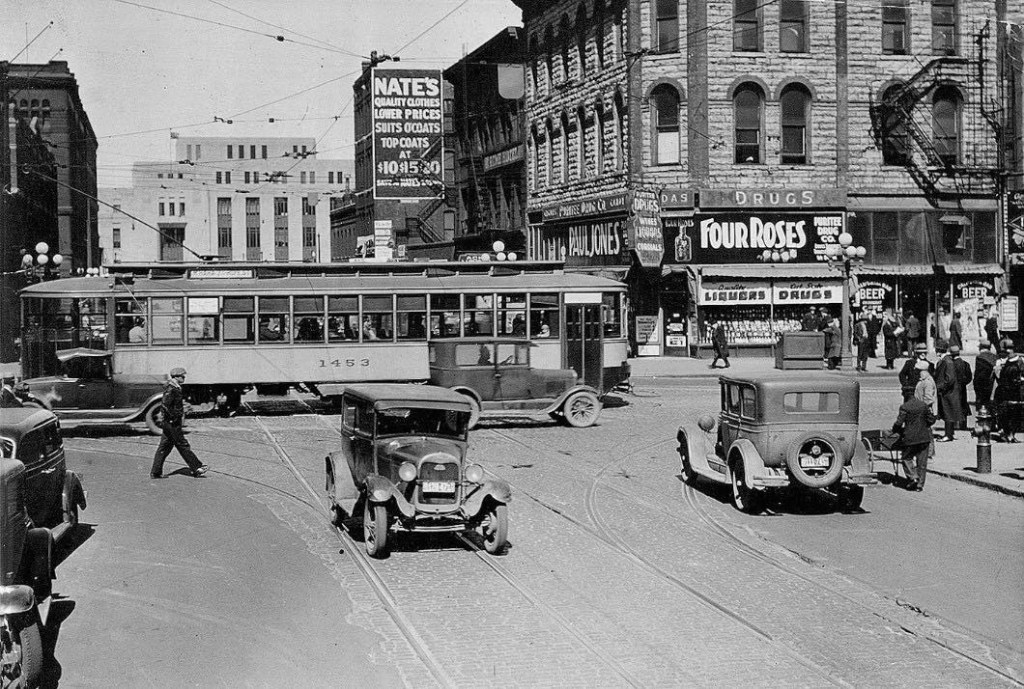
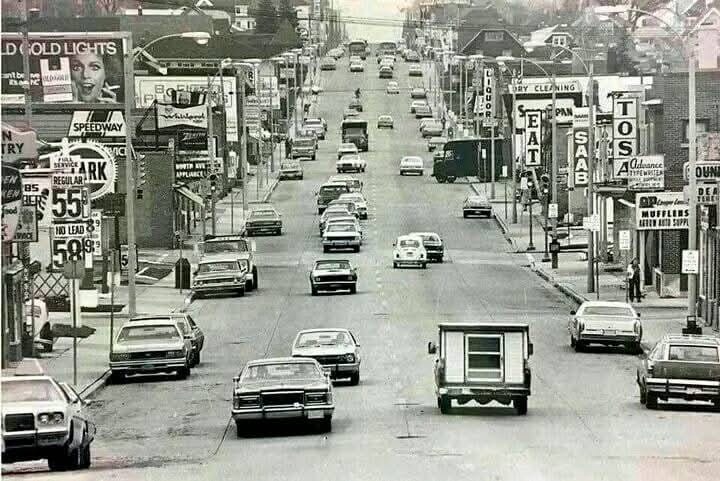
Photo from the Minnesota Historical Society
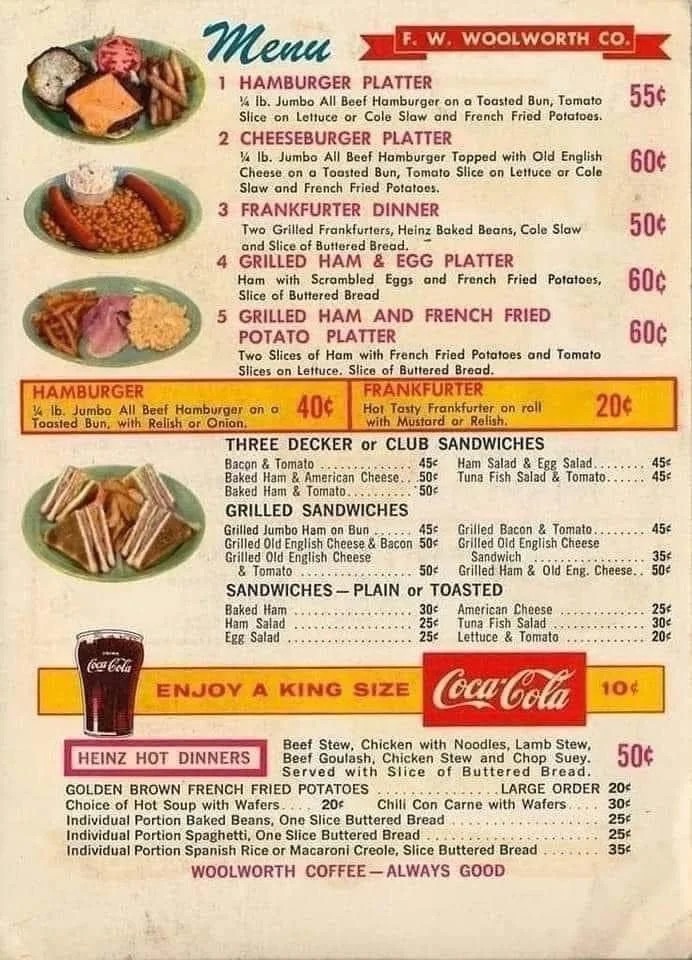
A Woolworth’s Menu from the 1960s.
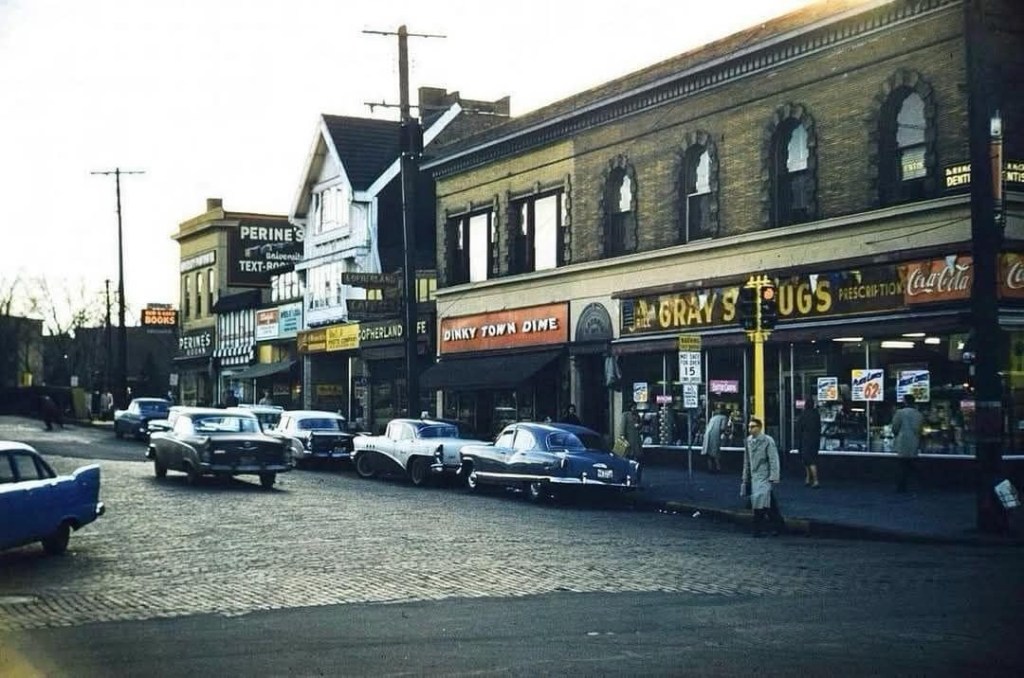
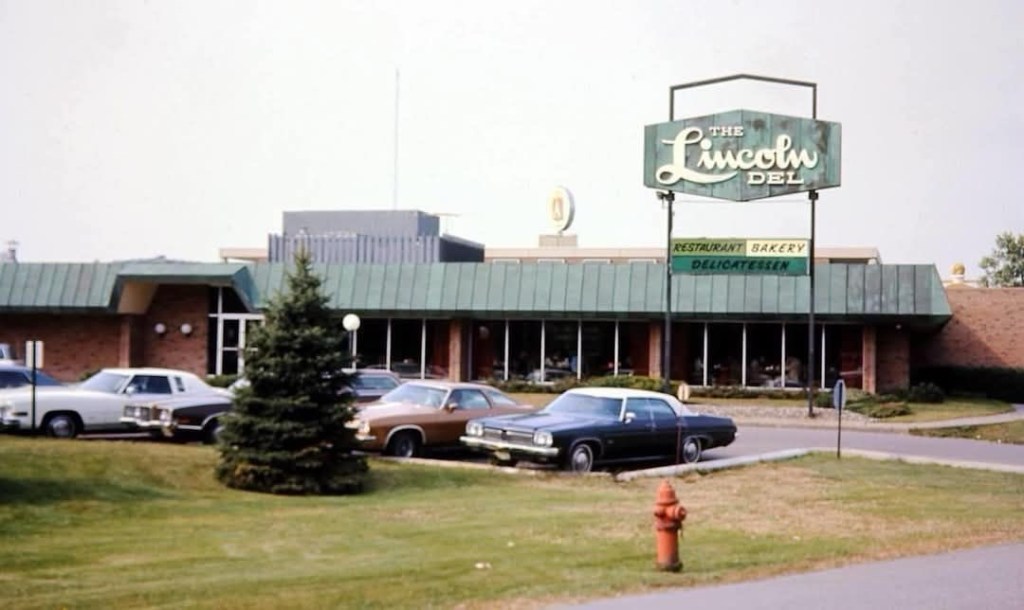
 Loren Berg's Blog
That photo labeled as 1960s Minnesota has a couple of mid seventies autos.