Bonus Day Brightener – More From Days Of Yore – And We Think Flying In Coach Is Tough!

Stagecoach travel in the American West wasn’t just a rugged adventure—it also came with a class system that determined how much comfort (or hardship) a passenger could expect. Some stage lines offered three classes of tickets. First-class passengers remained seated for the entire journey, spared from the more strenuous demands of travel. Second-class ticket holders, however, were expected to disembark and walk during steep climbs. Third-class passengers endured the harshest experience, often walking—and even helping to push—the coach uphill.

The terrain itself could be brutal. One of the most infamous stretches was the sand dunes west of Yuma in the Arizona Territory. Coaches couldn’t make it through the soft ground, so passengers had to dismount and ride mules across the desert—earning the colorful nickname “Jackass Mail.” It was dusty, exhausting, and often dangerous, but for many, it was the only way west. These journeys tested endurance, but they also brought travelers closer to the raw, untamed heart of the frontier.

Whatever their class of ticket, passengers on coaches like the one departing Deadwood, Dakota Territory, around 1880 faced an unforgiving journey. Weather, rough roads, bandits, and fatigue were constant companions. Yet stagecoaches were a vital thread in the fabric of western expansion—linking isolated towns, delivering news and mail, and carrying hopeful pioneers toward new beginnings.

Day Brightener – From Days Of Yore

Victorian house being moved with the use of horses. San Francisco, 1908
Rural mail delivery 1914

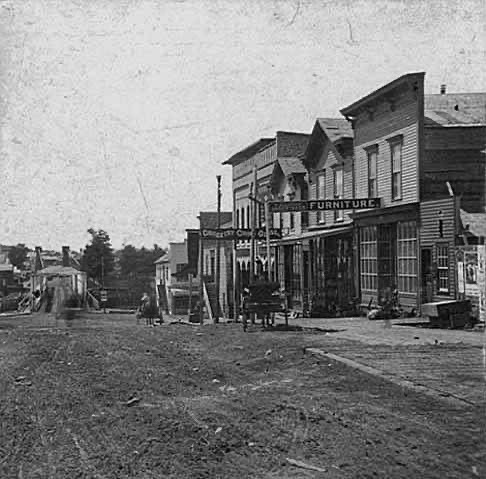
Hennepin Avenue in Minneapolis in 1872


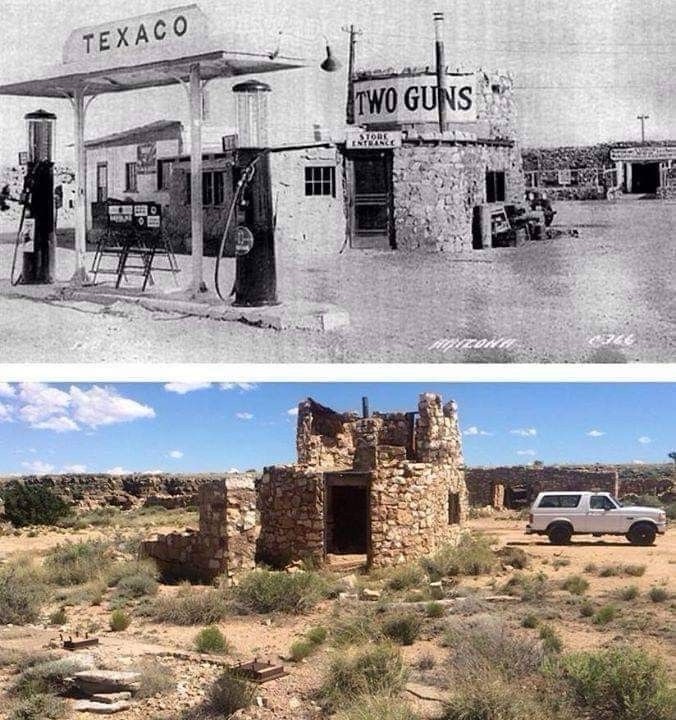
This is Two Guns, Arizona, a historic ghost town along Route 66 with a dark and mysterious past. The top image shows Two Guns in its prime during the early-to-mid 20th century when it served as a bustling roadside attraction, complete with a Texaco gas station, trading post, and a zoo run by the infamous “Chief” Henry Miller. The bottom image reveals the present-day ruins of the site, now abandoned and left to the elements.

Two Guns is infamous for its connection to the Apache Death Cave, where, according to legend, Navajo warriors trapped and killed a group of Apaches in 1878. The land has since been rumored to be cursed, as multiple business ventures at the site have mysteriously failed. Today, Two Guns stands as an eerie relic of Arizona’s past, attracting urban explorers and ghost hunters intrigued by its haunted history.
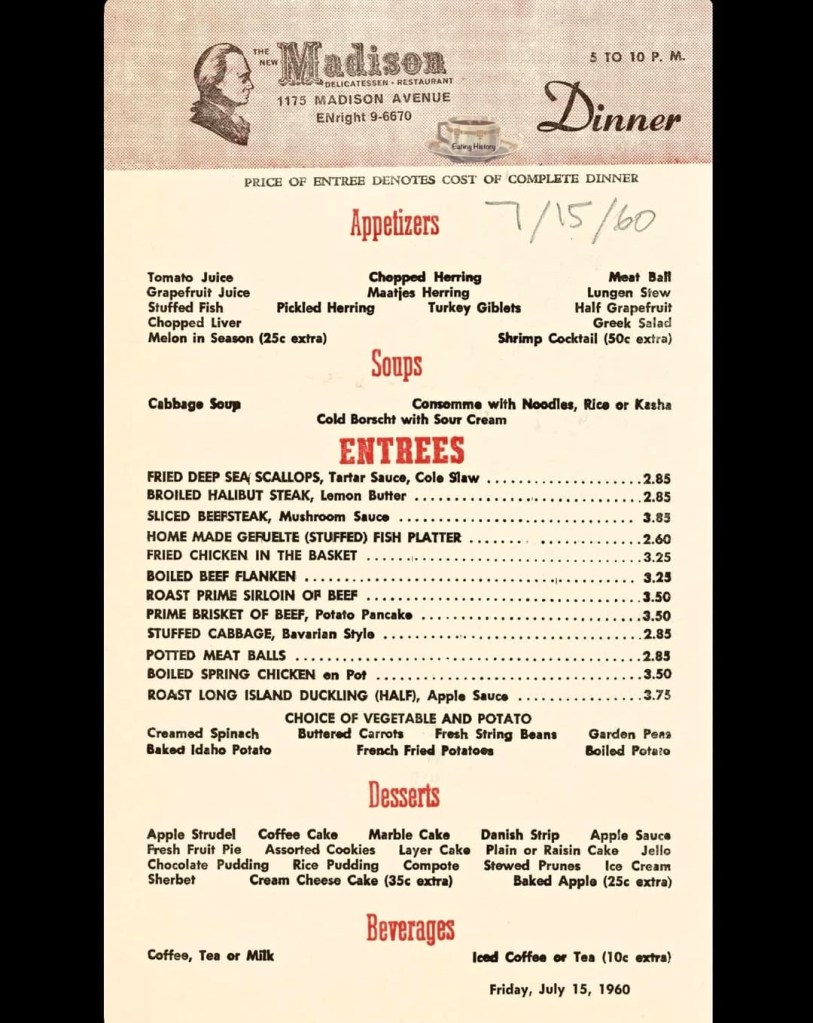
Menu from the New Madison. New York in 1960.
From the New York Public Library
This was Las Vegas in 1947.
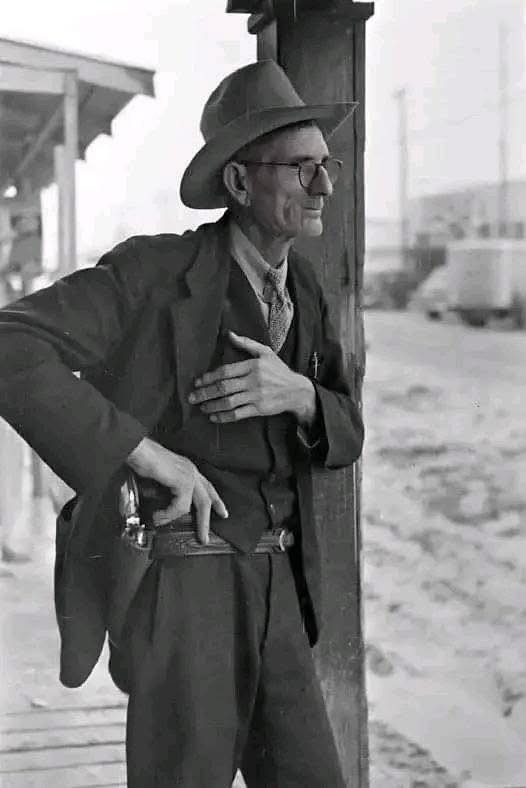
In 1937, a man walked down the streets of Freer, Texas, carrying a revolver on his waist, a scene that might seem out of place today but was not uncommon during that time. The early 20th century, especially in rural areas like Freer, was marked by a strong sense of personal responsibility for self-defense. Firearms were an integral part of daily life, often carried by men as a tool of protection, hunting, or as a symbol of independence. The presence of such weaponry on public streets was not viewed with alarm but rather as a practical part of life in a frontier-like environment.
Freer, located in South Texas, was a small town where lawlessness and the presence of criminal activity were concerns, particularly during the Great Depression. The revolver, often holstered at the waist, represented both a physical means of protection and a social norm. Guns were also a common sight among ranchers, cowboys, and lawmen who frequented the region. In many ways, this reflected the broader culture of the American West, where firearms were embedded in the identity of the people.
While today’s world is far removed from the circumstances of 1937 Texas, this moment in history serves as a reminder of how times have changed. The image of a man with a revolver walking casually down a quiet street is a snapshot of a different era, when life was often shaped by survival, self-reliance, and the rugged landscapes of the American Southwest.

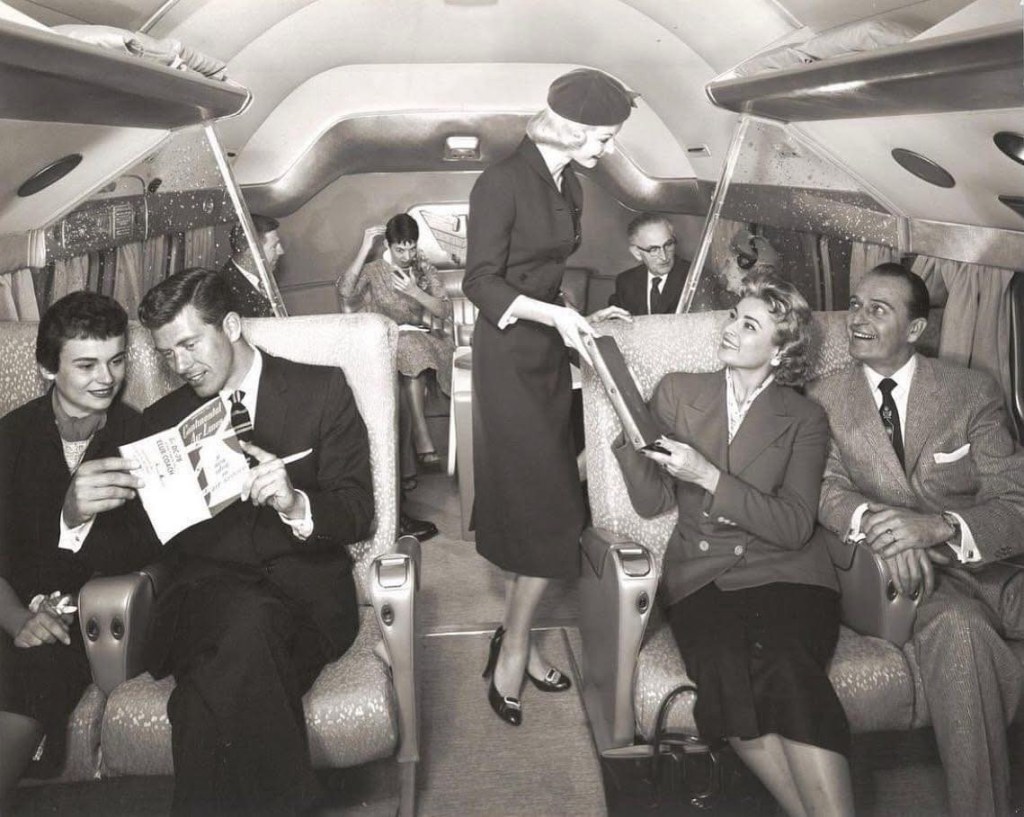
Continental DC7 Cabin (1960’s)
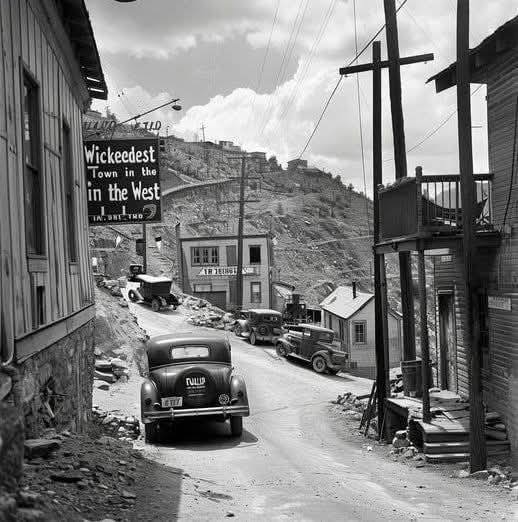
Located on the side of Cleopatra Hill. Known as the “Wickedest Town in the West,” Jerome’s economy was driven by the copper mines operated by the United Verde Copper Company. During this period, the town’s population swelled to over 10,000 residents, comprised of miners, their families, and a host of businesses that catered to their needs. The Great Depression, however, took its toll on the mining industry, leading to layoffs and economic hardship for many residents. Despite the economic challenges, Jerome remained a bustling community with a reputation for rowdiness, marked by numerous saloons, gambling halls, and brothels. The town’s landscape was dominated by the massive open-pit copper mine, which continued to extract valuable ore. By the end of the decade, the mining operations began to decline significantly, foreshadowing the ghost town status that Jerome would eventually acquire in the mid-20th century. Nevertheless, the 1930s were a defining era for Jerome, showcasing both the prosperity and the hardships that came with its mining boomboom

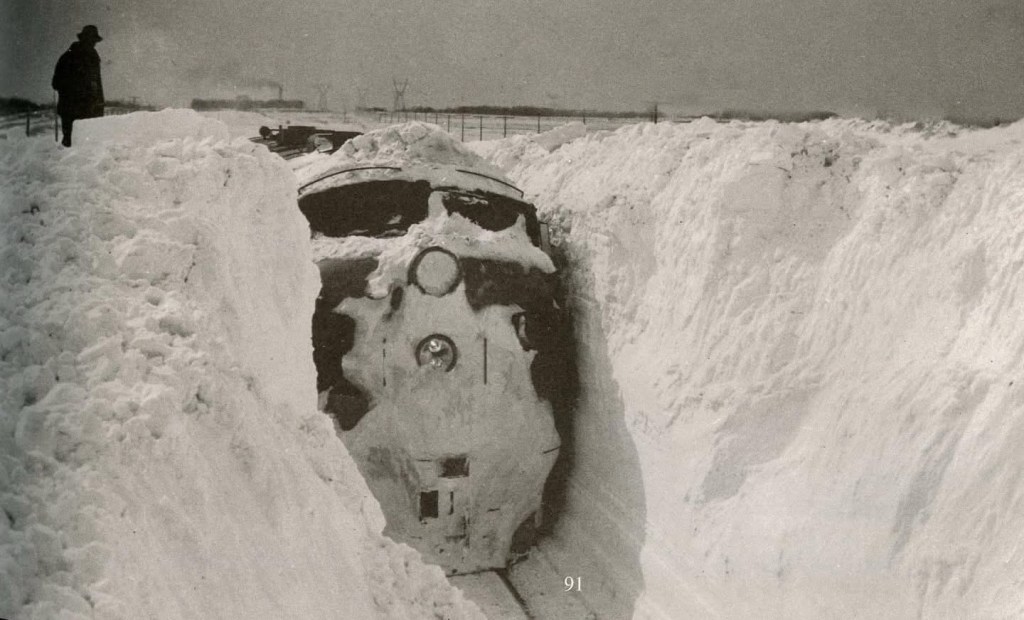
A Train stuck just west of Minneapolis during the 1965 St. Patrick’s Day Blizzard.
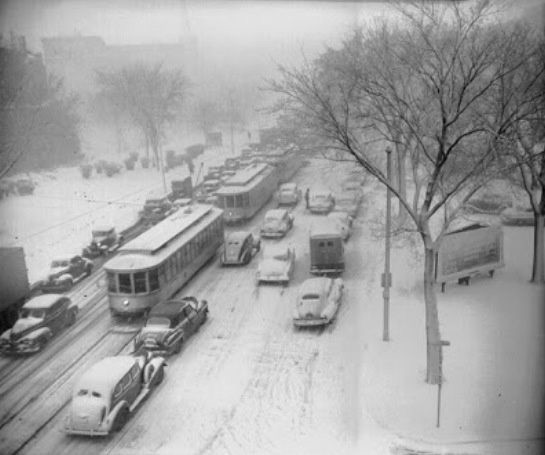
Street Cars in Minneapolis

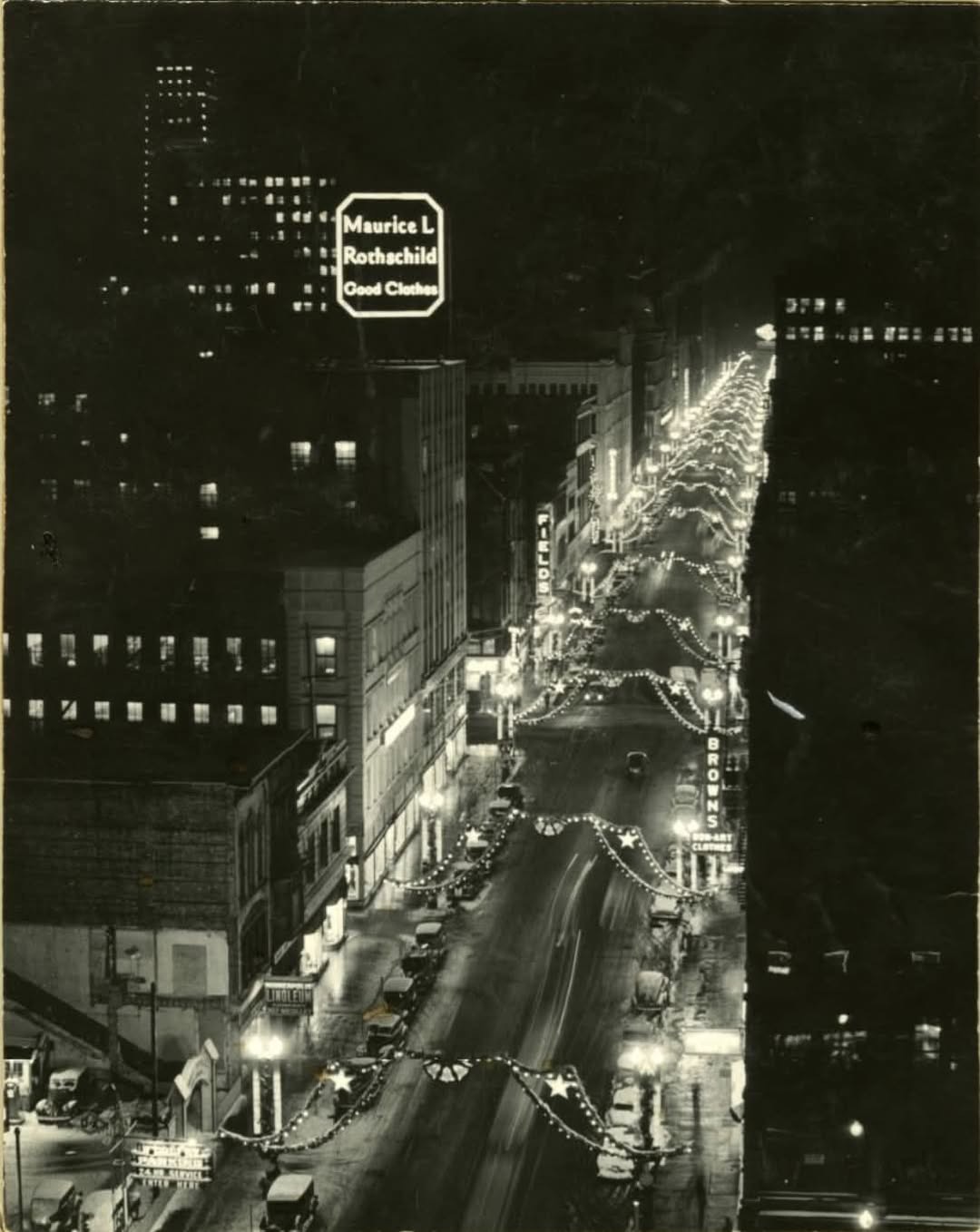
Nicollet Avenue at night at Christmas, Minneapolis, Minnesota, 1937 from Hennepin History Museum.

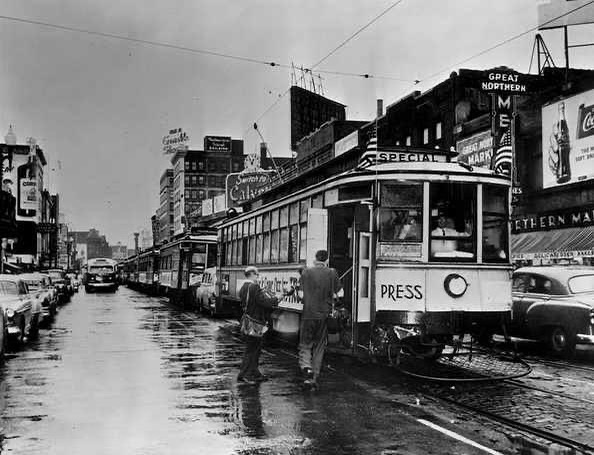
Streetcar in Minneapolis in 1954 – Photo courtesy of the Minnesota Historical Society

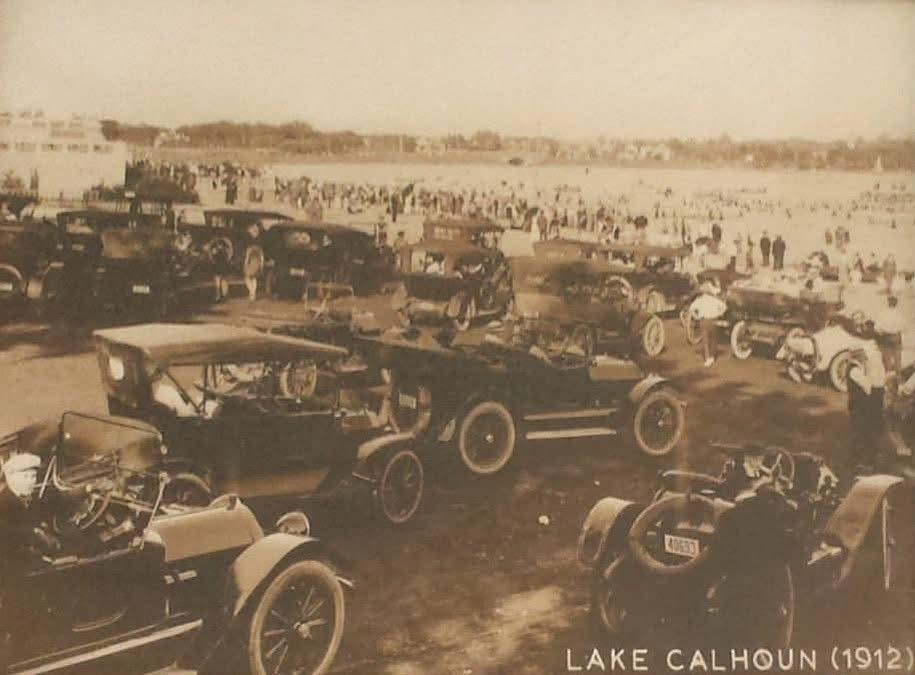
Lake Calhoun in 1912
Original source not identified.
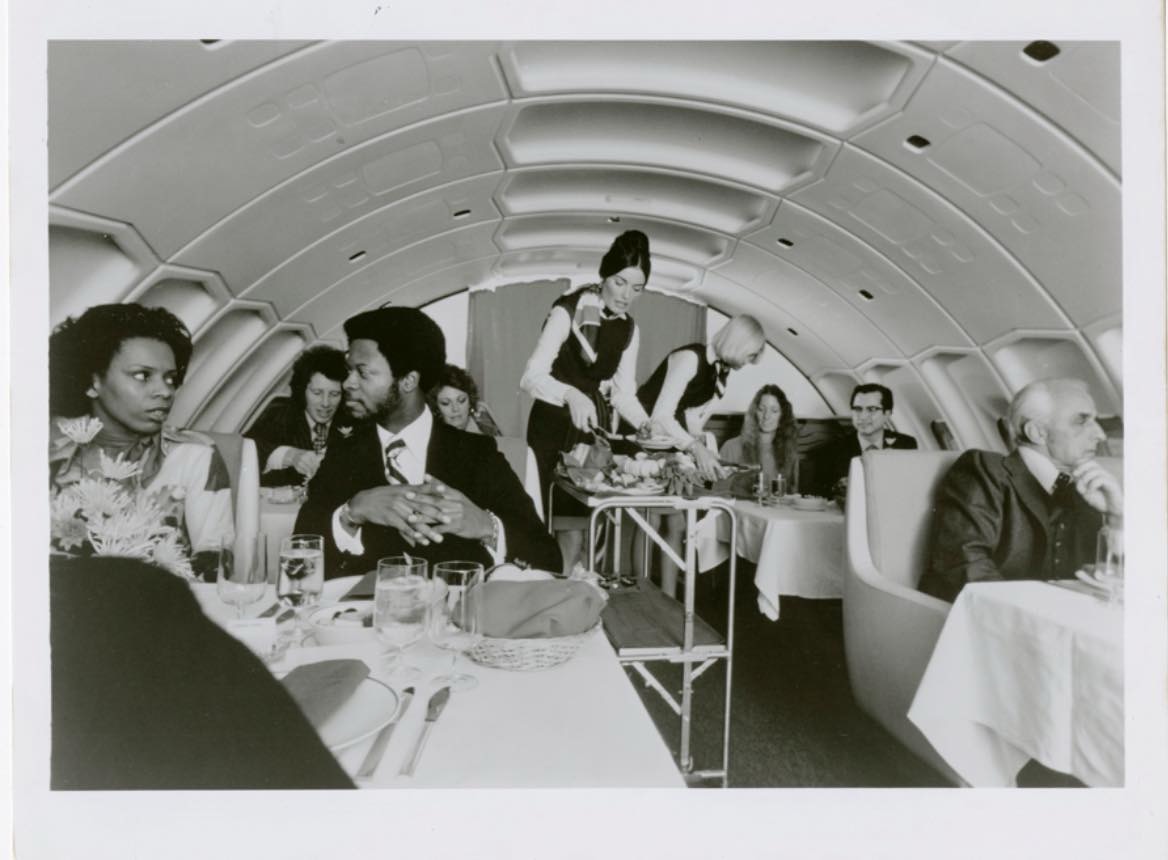
Pan Am dinner service aboard a Boeing 747SP upper deck. These were really the good old days.

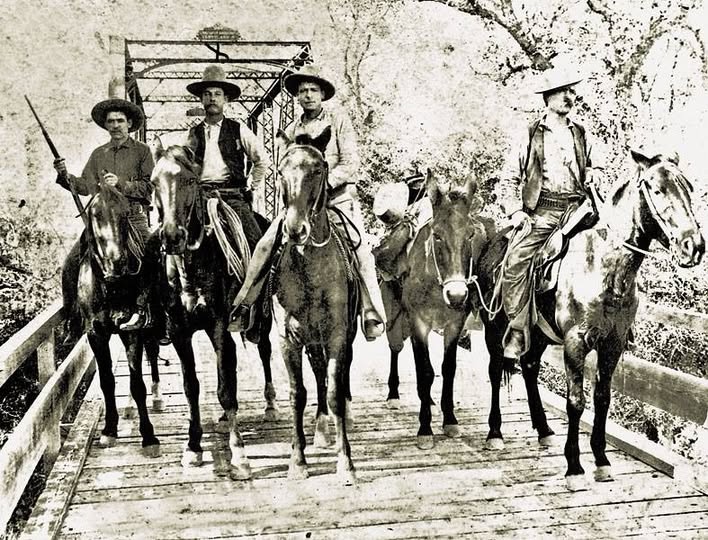
In 1892, four Texas Rangers stood still just long enough to be captured in a rare and haunting photograph—but what if this moment wasn’t as simple as it seems? You won’t believe what historians have recently uncovered about this image. Their faces are stoic, their gear rugged, their mission supposedly just—but there’s something suspicious in the way they look at the camera, as if they knew this photo would survive long after the truth was buried.

This wasn’t just another day on the frontier. At a time when the Wild West was being tamed and lawlessness was being rewritten by those with power, these four men rode into a chapter of history drenched in secrets. Who were they really protecting? And who decided what justice looked like? The deeper you look into their eyes, the more questions emerge—questions about hidden agendas, vanished enemies, and a justice system written in gunpowder and grit.

Preserved by the Institute of Texan Cultures, this mysterious image has reemerged—and not everyone’s happy about it. Why now? What secrets does it threaten to expose? Some say this photo holds the key to a truth long kept silent by dusty archives and selective memory. Scroll carefully… because once you start pulling on this thread, the entire story of the Texas Rangers might begin to unravel.

Day Brightener – A Little Off The Cuff History

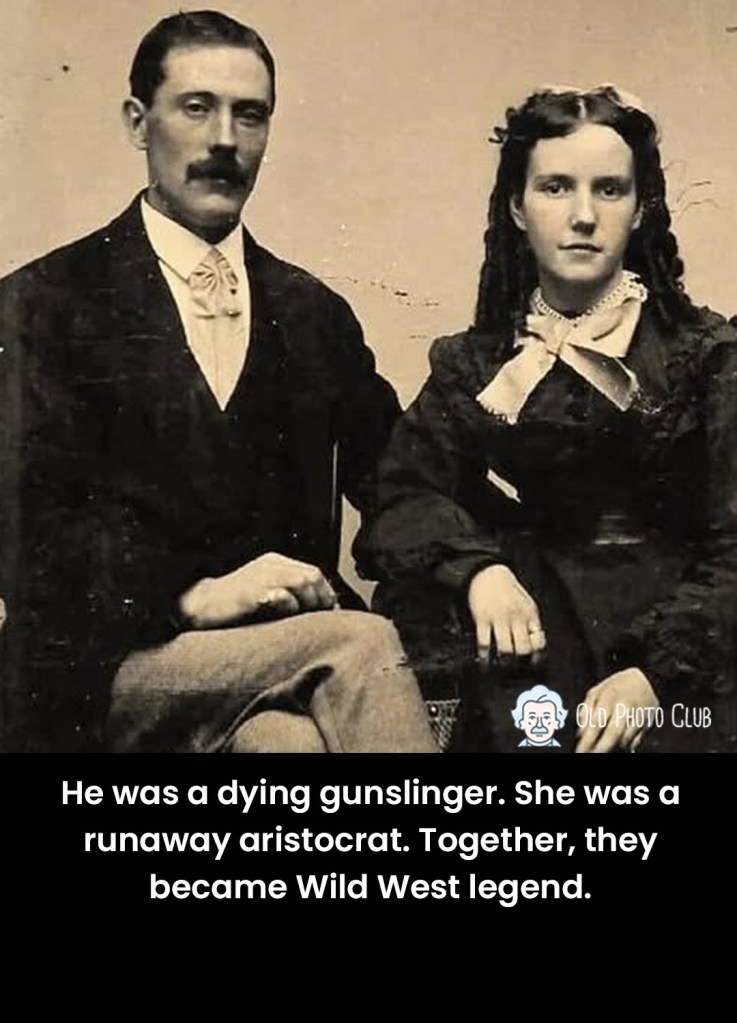
John Henry “Doc” Holliday wasn’t supposed to be a gunslinger. He was born in Georgia in 1851, trained as a dentist, and had a future full of promise. But when tuberculosis cut into his lungs in his twenties, he headed west, trading drills for pistols and playing cards. The dry air didn’t heal him—but it gave him something else: a place to run, fight, and live fast.

By the time he landed in Tombstone, Arizona, Doc had become both feared and admired. Quick with a shot and quicker with his temper, he stood by Wyatt Earp through saloons, shootouts, and the legendary Gunfight at the O.K. Corral. But the one person he trusted above all? Big Nose Kate.

Born Mary Katharine Haroney, she wasn’t just some saloon girl with a nickname. She was Hungarian by birth, fluent in several languages, educated, fierce, and independent. Their relationship burned hot—loud fights, long separations, but always a bond that pulled them back together. She once helped him escape from jail, setting fire to a building as a diversion. Not a storybook romance—but something far wilder.

They weren’t heroes. Not by any tidy legend’s standard. They were outlaws with a heart, survivors with sharp edges, holding onto each other while the West burned around them.

Doc died in a sanitarium in Colorado at 36. Kate lived decades longer, telling their story on her terms.

Together, they remain etched in legend—not for what they tamed, but for what they dared to live through.

Day Brightener – Mind Boggling

BREAKING NEWS

Launched in 1977, space probe Voyager 1 is now officially “ONE LIGHT DAY” away from Earth = 1.609×10¹⁰ miles, or, 25.9 billion kilometers. To put this in context, we often see distances like one or more – often times many more – light years distance to other items in our universe. An example, The new study estimates the size of the Milky Way’s disk at 200,000 light-years across. Past studies have suggested the Milky Way is between 100,000 light-years and 160,000 light-years across. (One light-year is the distance light travels in a year, about 6 trillion miles or 10 trillion kilometers.)

I need to sit down.

Day Brightener – Old Ladies at a Baseball Game

This is a detective story So Pay Close Attention!

Three elderly ladies are excited about seeing their first baseball game.

They smuggled a bottle of Jack Daniels into the ballpark.

The game is really exciting and they are enjoying themselves immensely, mixing the Jack Daniel’s with soft drinks. 

Soon they realize that the bottle is almost gone, and the game has a lot of innings to go.

Now…… Based on the given information, what inning is it and how many players are on base?

Think! 

Think some more! 

You’re gonna love it.

Answer: 

It’s the bottom of the fifth and the bags are loaded!

Day Brightener – Ponderisms & Trueisms, A Light-Hearted Look At Life

Why do peanuts float in a regular coke and sink in a diet coke. Go ahead and try it…..

I used to eat a lot of natural foods until I learned that most people die of natural causes.

How important does a person have to be before they are considered assassinated instead of just murdered?

Why do you have to “put your two cents in”… but it’s only a “penny for your thoughts”? Where’s that extra penny going?   (taxes)

Once you’re in heaven, do you get stuck wearing the clothes you were buried in for eternity?

What disease did cured ham actually have?

How is it that we put man on the moon before we figured out it would be a good idea to put wheels on luggage?

Why is it that people say they “slept like a baby” when babies wake up like every two hours?

If a deaf person has to go to court, is it still called a hearing?

Why are you IN a movie, but you’re ON TV?

Why do people pay to go up tall buildings and then put money in binoculars to look at things on the ground?

Why do doctors leave the room while you change??? They’re going to see you naked anyway.

Why is “bra” singular and “panties” plural?

Why do toasters always have a setting that burns the toast to a horrible crisp, which no decent human being would eat?

Can a hearse carrying a corpse drive in the carpool lane?

If the professor on Gilligan’s Island can make a radio out of a coconut, why can’t he fix a hole in a boat?

If corn oil is made from corn, and vegetable oil is made from vegetables, what is baby oil made from?

If electricity comes from electrons, does morality come from morons?

Why do the Alphabet song and Twinkle, Twinkle Little Star have the same tune?

Why did you just try singing the two songs above?

Did you ever notice that when you blow in a dog’s face, he gets mad at you, but when you take him for a car ride, he sticks his head out the window?

How did the man who made the first clock, know what time it was?

Bonus Day Brightener – 5 Undeniable Facts

A wise person once said:

1. We all love to spend money buying new clothes but rarely realize the best moments in life are enjoyed without clothes.


2. Having a cold drink on hot day with a few friends is nice but having a hot friend on a cold night after a few drinks is PRICELESS.


3. Breaking News: Condoms don’t guarantee safe sex anymore. A friend of mine was wearing one when he was shot dead by the woman’s husband.


4. Arguing over a girl’s bust size is like choosing between Molson, Heineken, Carlsberg, & Bud.  While we often state our preferences, we usually grab whatever’s available.


5. I haven’t verified this on Snopes, but it sounds legitimate…  A recent study found women who carry a little extra weight live longer than men who mention it.