
History:
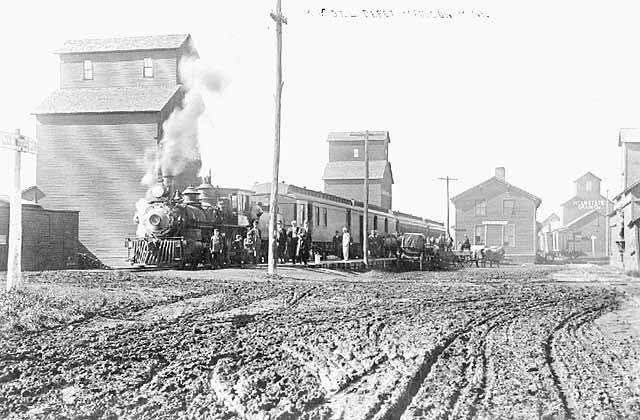
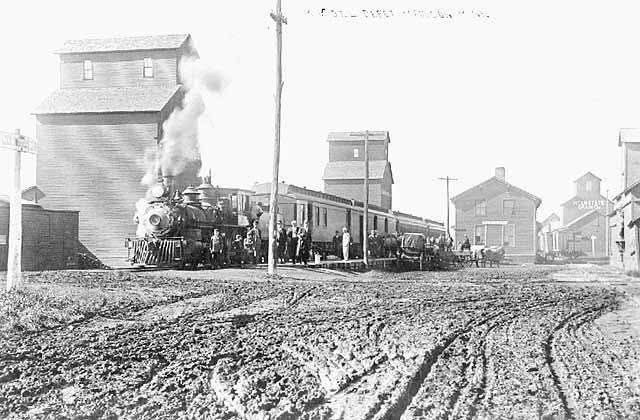
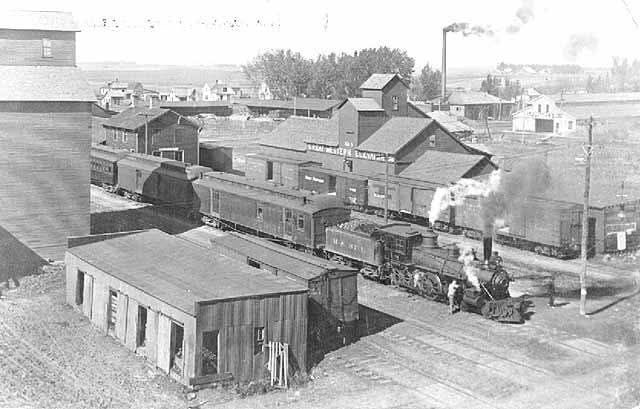
MADISON Township, first settled in 1877, organized in October 1879, was named on the suggestion of Claus P. Moe, “in memory of his former home at Madison, Wisconsin.” The city of Madison is located in sections 20, 21, 28, and 29; the townsite company organized by H. A. Larson, general store owner, purchased the land from John Anderson in 1884 and platted the townsite; the post office began as True in 1883, changing its name to Madison in 1884; it had a station of the Minneapolis and St. Louis Railroad. The city was incorporated in 1886, became the county seat in 1889, and adopted its city charter March 12, 1902.
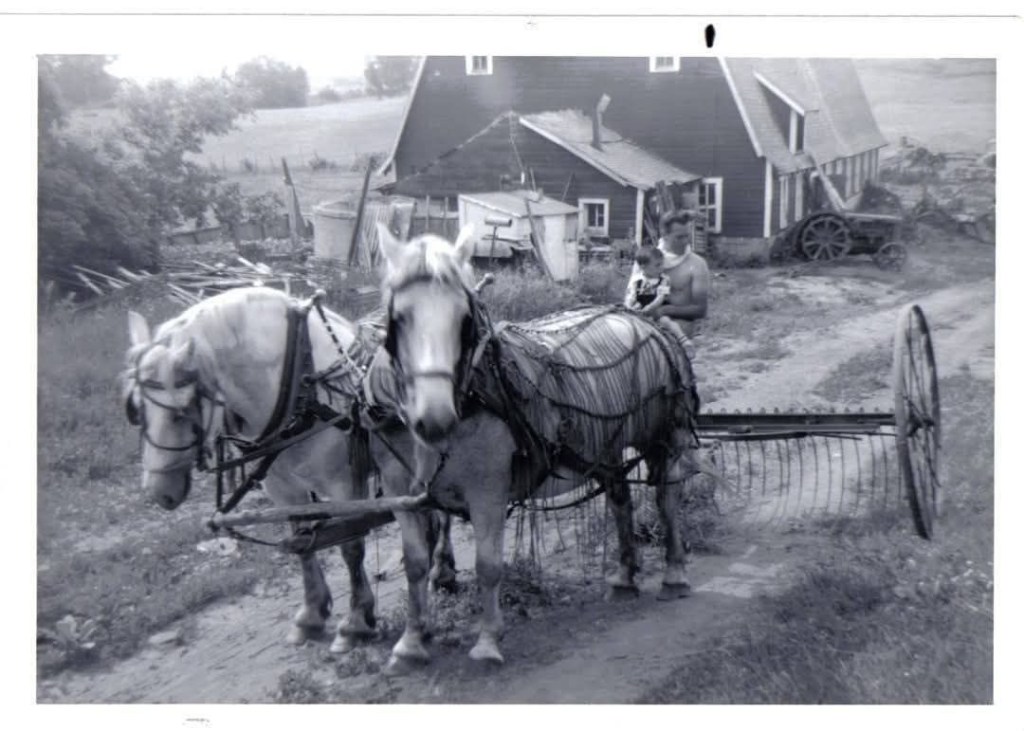
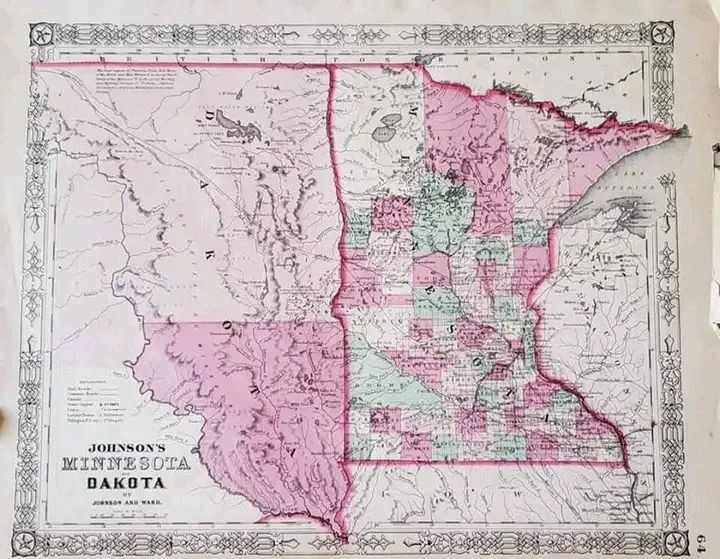
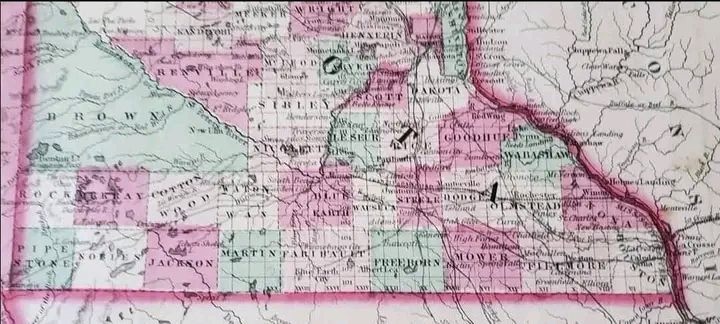
( 13″ x 18″ ) This is an original ( not a reprint ) 1864 civil war era map of Minnesota/ South Dakota. This is a great piece of history of what Minnesota and South Dakota looked like back then.This is in my collection along with my other maps that I collect.
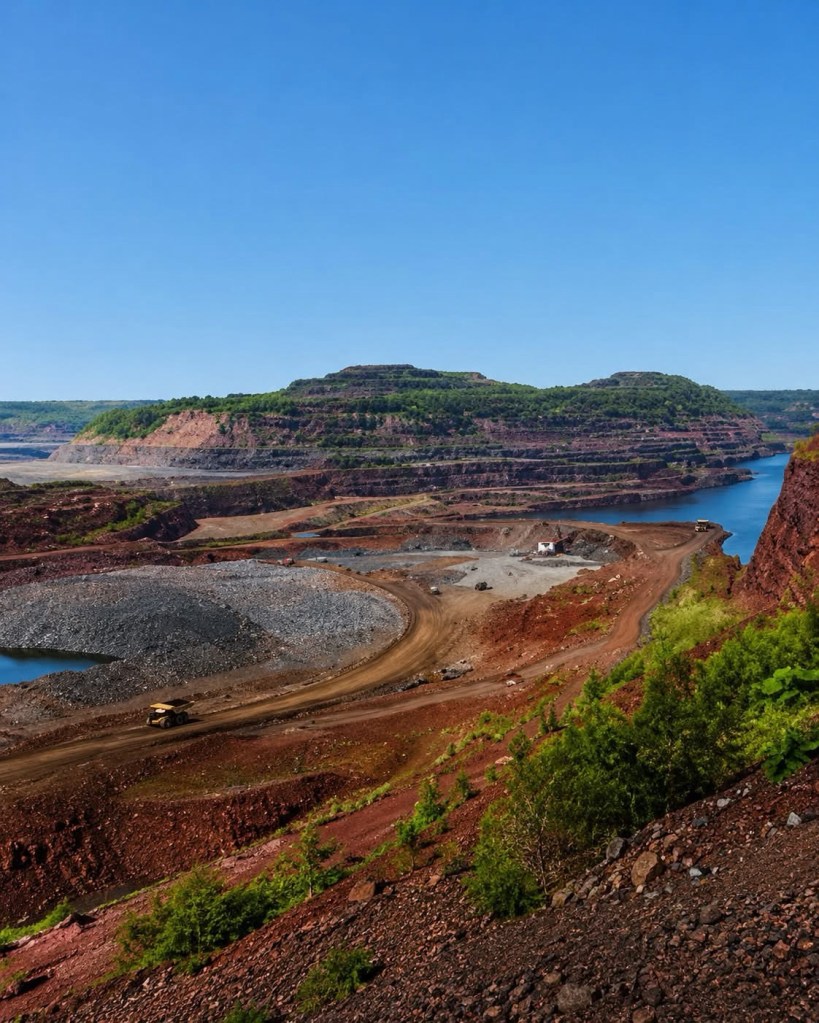
Iron ore was discovered on the Mesabi Range in the 1880s and mining began in earnest in the 1890s. The deposits were different from anything previously mined in the Great Lakes region. The ore sat close to the surface in formations that allowed open pit mining rather than the underground shaft mining used elsewhere. That accessibility made extraction faster, cheaper, and possible at a scale that changed everything about how much American steel could be produced and how quickly.
The communities the Iron Range built are as distinctive as the geology that created them. Hibbing, Virginia, Eveleth, Chisholm, and the other Range towns developed a working class culture shaped by mining, by the labor movement, and by the waves of immigrant workers who came from Finland, Slovenia, Croatia, Italy, and dozens of other countries to work the mines and build lives in northeastern Minnesota. That cultural mix produced a specific Iron Range identity that is neither northern Minnesota nor urban Minnesota but something entirely its own.
The open pit mines on the Mesabi Range are visible from space and some of them are among the largest man made excavations on Earth. The Hull Rust Mahoning Mine near Hibbing covers over 1,500 acres and reaches depths of 535 feet. Standing at the overlook above it produces the specific vertigo of looking at something so large that the human mind keeps trying to reframe it as something smaller and more manageable and failing every time. Minnesota dug that. Minnesota is still digging.

Minnesota does not let go of its people easily, and its people rarely manage to fully let go of Minnesota either. You can move across the country. You can stay gone for twenty years. Minnesota still shows up in the small things that never quite leave.
It shows up the first time you say pop in a state that calls it soda and get a confused look back. It shows up when you reach for lutefisk or lefse around the holidays and realize the nearest version is a thousand miles away. It shows up every time someone asks where you’re from and you answer with more pride than the question really required.
Minnesotans who leave become the state’s quiet ambassadors wherever they land. They explain hotdish without being asked. They defend the winters with a strange kind of affection that confuses people who have never experienced one. They talk about ten thousand lakes like the number is modest, because to them it always was.
Once a Minnesotan is not nostalgia. It is something closer to permanent installation. The cold built a tolerance that never fully resets. The lakes shaped an idea of what a good summer looks like that nothing else quite matches. Minnesota made you, and whatever Minnesota built into you in the process does not get uninstalled just because the zip code changed.
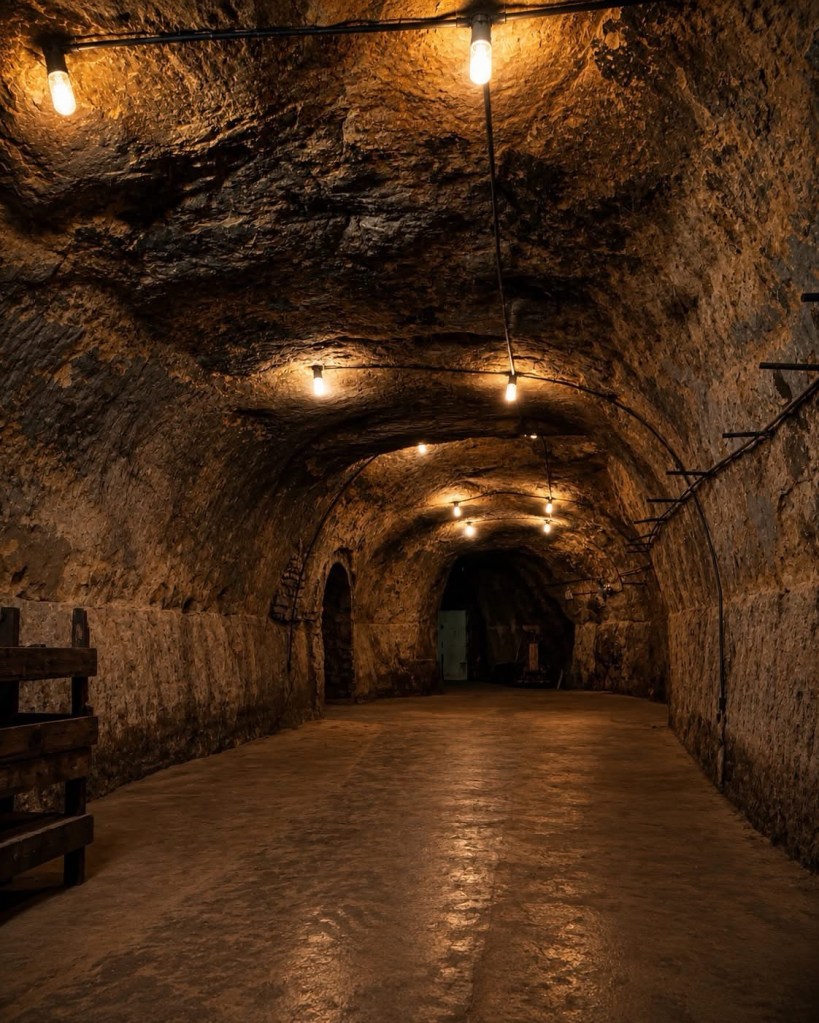
During Prohibition, those empty chambers became one of Saint Paul’s most notorious speakeasies. The city’s complicated relationship with organized crime during that era is well documented, and the Wabasha Street Caves reportedly hosted gangsters including John Dillinger and the Barker gang, who took advantage of Saint Paul’s unofficial policy at the time that allowed criminals to lay low in the city as long as they didn’t commit crimes within its limits. The caves offered exactly the kind of hidden, hard to monitor space that made an underground bar appealing when the activity happening inside was illegal.
After Prohibition ended, the caves cycled through different uses over the decades, including a stretch as a mushroom growing operation that took advantage of the naturally cool, dark, consistent conditions underground. Eventually the space was converted into an event venue, and today it hosts swing dancing nights, weddings, and tours that walk visitors through both the gangster era history and the natural geology of the sandstone caves themselves.
The Wabasha Street Caves are one of those rare places where the strange details all turn out to be true. Real sandstone, real Prohibition era crime, real Big Band swing nights happening today in the same chambers where Dillinger reportedly hid out decades earlier. Saint Paul built something underground that ended up holding nearly two centuries of Minnesota history in one space, and the caves are still telling that story to anyone who shows up for a dance lesson or a tour. See less

World War II is what turned Spam from a regional product into a global one. The U.S. military shipped massive quantities overseas to feed troops, and Spam became a fixture in rations across multiple theaters of war. Soldiers carried it home in their memories along with everything else they experienced, and the product’s reach expanded into places like Hawaii, the Philippines, and parts of Asia where it became deeply embedded in local food culture in ways nobody in Austin, Minnesota could have predicted when they were just trying to use up pork shoulder trim.
Hormel still produces Spam in Austin today, and the city has fully embraced what it created. The SPAM Museum draws visitors from across the country curious about a product that somehow became both a punchline and a beloved staple depending entirely on who you ask. Austin holds an annual Spam Jam festival, and the town’s relationship with the product runs far deeper than most people outside Minnesota probably realize.
Spam has spent decades absorbing jokes about its ingredients and its texture, and Minnesota has never seemed particularly bothered by any of it. The product solved a real problem, fed soldiers during a war, and built an entire identity for a small Minnesota meatpacking town that turned mystery meat into a genuine piece of American culinary history. Austin made it. The world decided what to do with it from there.
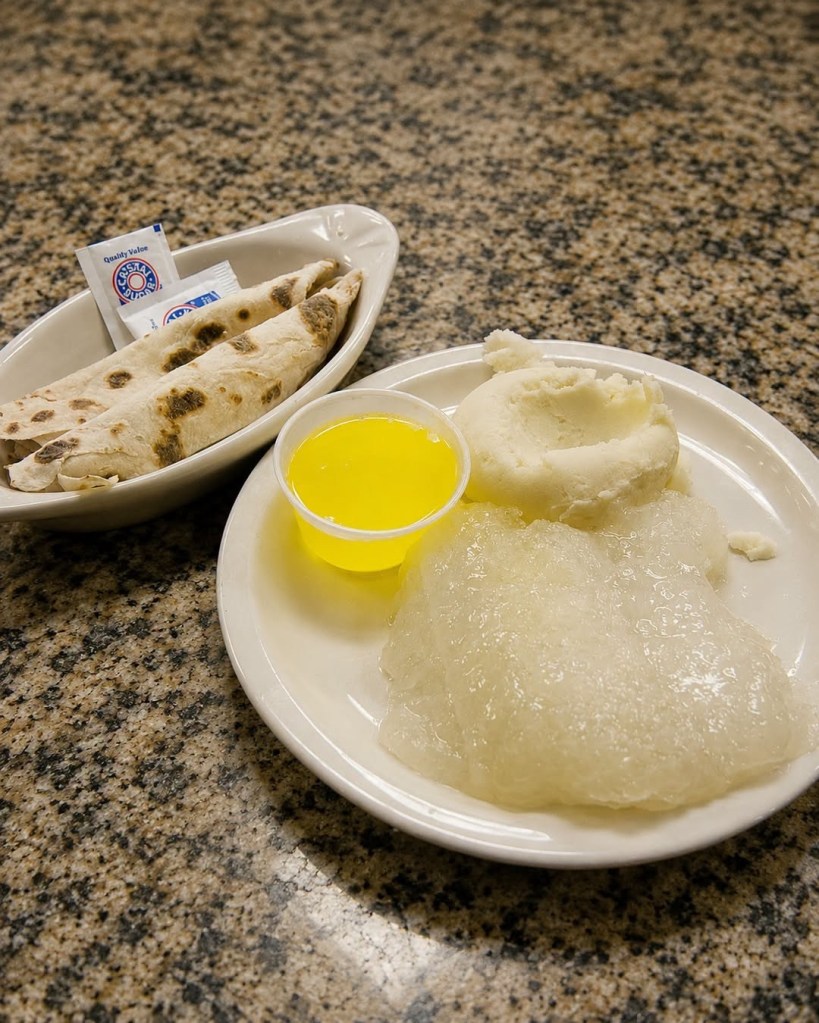
The process alone should have been a warning sign. Dried whitefish gets soaked in water for days. Then it gets soaked again in a lye solution that turns it into something with the approximate texture of a science experiment that succeeded in ways nobody wanted. Then it gets soaked a third time to remove the lye before anyone can safely eat it. Minnesota looked at that multi day process and decided it was worth doing every single year in December with extended family watching.
The smell precedes the dish by a notable margin. Lutefisk dinners have been emptying out church basements across Minnesota for generations and the people attending split cleanly into two groups. Those who genuinely love it and request seconds, and those who show up for the lefse and the meatballs while strategically taking the smallest possible lutefisk portion and nodding along when someone asks if it’s good.
Nobody outside Minnesota understands the appeal. Most people inside Minnesota cannot fully explain it either beyond “my grandfather ate it, so I eat it.” The tradition survives because retiring it would mean admitting nobody actually enjoys lutefisk, and that is a sentence Minnesota Lutherans are not ready to say out loud. The gelatinous fish keeps getting passed around the table every December while everyone politely insists it’s growing on them.

